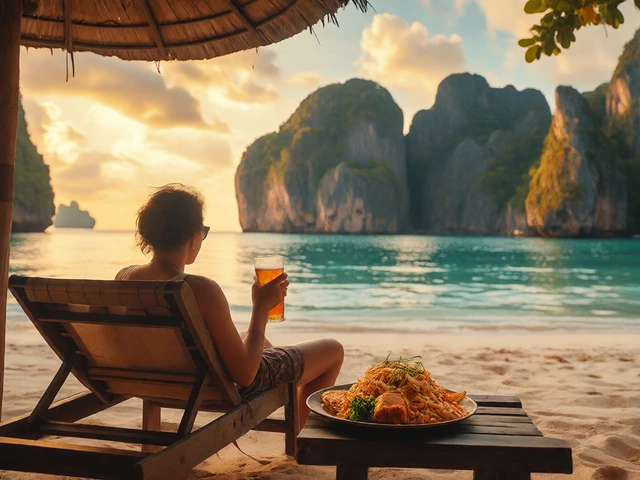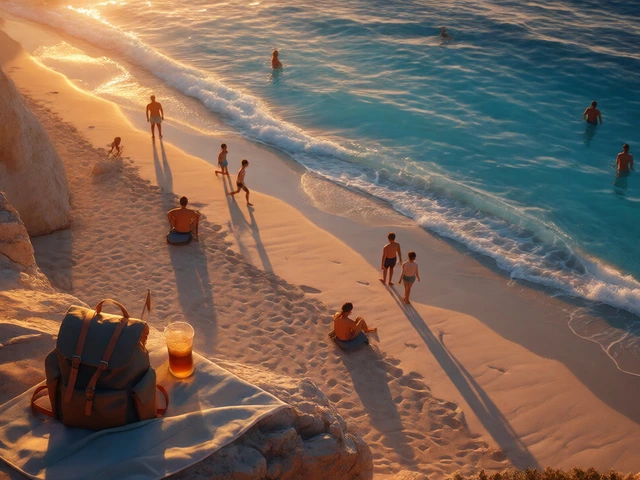
Ever met someone who books a flight before they book a hotel? Who’d rather hike a mountain at dawn than sleep in on a Saturday? Who talks about remote islands like they’re next-door neighbors? That’s not just someone who likes to travel. That’s an adventure seeker.
There’s no single dictionary word that catches the full spirit of this person-but we’ve got a few names that come close. Some call them thrill seekers. Others say wanderlusters. But the most accurate label? Someone who doesn’t just want to see the world-they want to feel it, push it, and get a little lost in the process.
What Makes Someone an Adventure Seeker?
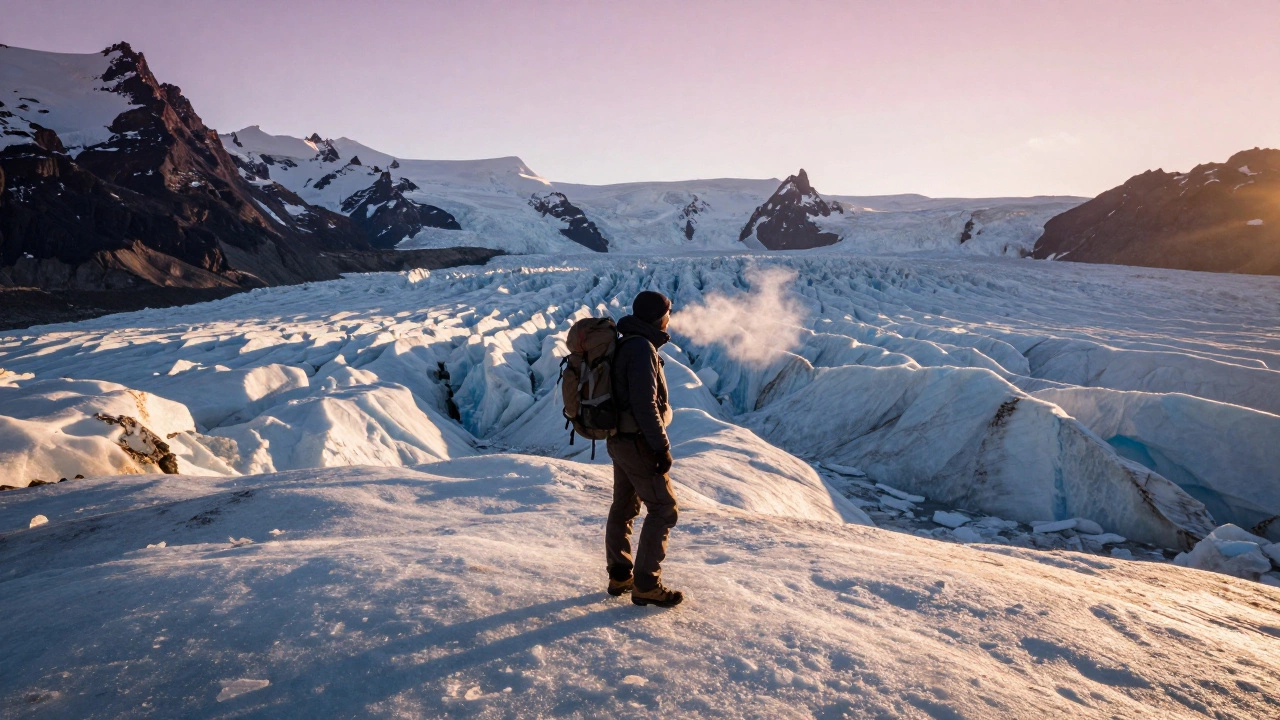
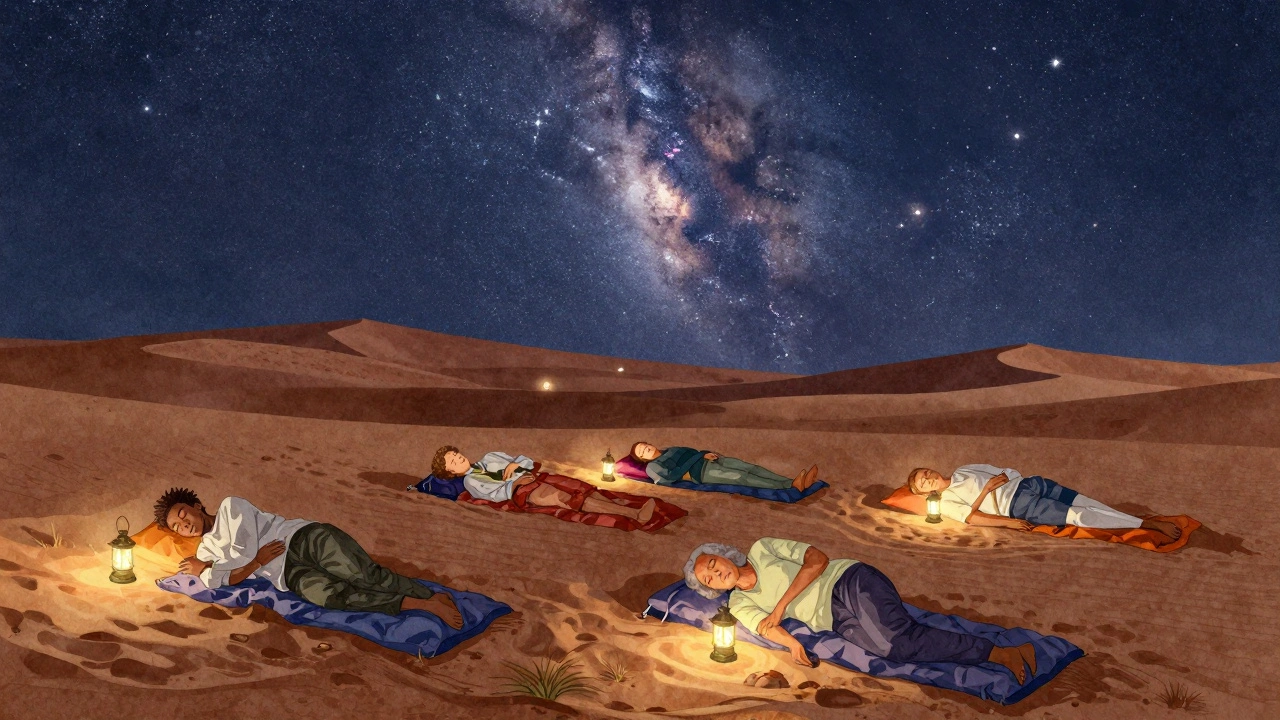
An adventure seeker isn’t just someone who takes vacations. They don’t check off destinations like items on a grocery list. They chase moments that shake their bones-standing on the edge of a glacier in Patagonia, kayaking through crocodile-infested rivers in Botswana, or sleeping under the stars in the Namib Desert without a tent.
It’s not about luxury. It’s about immersion. They’ll trade a five-star resort for a homestay in a Nepali village because they want to learn how to make dal bhat from scratch. They’ll skip the guided tour of Machu Picchu to hike the Salkantay Trail alone, just to feel what it’s like to be small in a landscape older than time.
Psychologists call this trait “sensation seeking.” Studies from the 1970s by Marvin Zuckerman showed that people with high sensation-seeking scores crave novelty, intensity, and complexity. They don’t just like excitement-they need it. For them, routine isn’t relaxing. It’s suffocating.
Names for the Adventure Craver
There’s no official title, but here’s what people actually call these folks-and what each name reveals:
- Adventure seeker - The most neutral, widely understood term. It’s not flashy, but it’s honest. It says: this person is actively hunting for experiences that stretch their limits.
- Thrill seeker - Often used, but misleading. Not all adventure is about adrenaline. Some of the deepest adventures are quiet: walking the Camino de Santiago for weeks, or living with reindeer herders in Siberia. Thrill seeker implies danger for danger’s sake. That’s not always true.
- Wanderlust - This is a feeling, not a person. Saying “she’s a wanderlust” is like saying “he’s a hunger.” You can be filled with wanderlust, but you’re not the emotion itself.
- Explorers - Sounds grand, and it should. True explorers don’t just visit places-they document them, learn from them, and change because of them. The word carries weight. It’s not for someone who takes a weekend trip to a national park. It’s for the person who maps uncharted trails, learns local dialects, and returns with stories that change how others see the world.
- Adventure lover - Simple, warm, and accurate. It doesn’t overpromise. It doesn’t romanticize. It just says: this person finds joy in the unknown.
Here’s the truth: most adventure seekers don’t care what you call them. They’re too busy planning the next trip.
What Drives Them?
It’s not just boredom. It’s not a midlife crisis. It’s deeper.
Many adventure seekers describe a quiet restlessness-a feeling that something’s missing when they’re stuck in the same routine. It’s not about escaping life. It’s about finding a version of themselves they can’t access in the office, the suburb, or the city.
Neuroscience backs this up. When someone steps into unfamiliar terrain-whether it’s a jungle trail or a new language-the brain releases dopamine, the same chemical linked to reward and motivation. But for adventure seekers, it’s not just about the high. It’s about the reset. The mental clutter fades. They feel more alive.
One woman I met in Cape Town spent three years living in remote villages across Laos, Cambodia, and northern Vietnam. She didn’t have a smartphone for the first year. She learned to barter for rice, slept in treehouses, and got malaria twice. When I asked why, she said: “I didn’t know who I was until I stopped being who everyone expected me to be.”
Adventure Isn’t Just for the Young or the Rich
There’s a myth that only twenty-somethings with trust funds can be true adventure seekers. That’s not true.
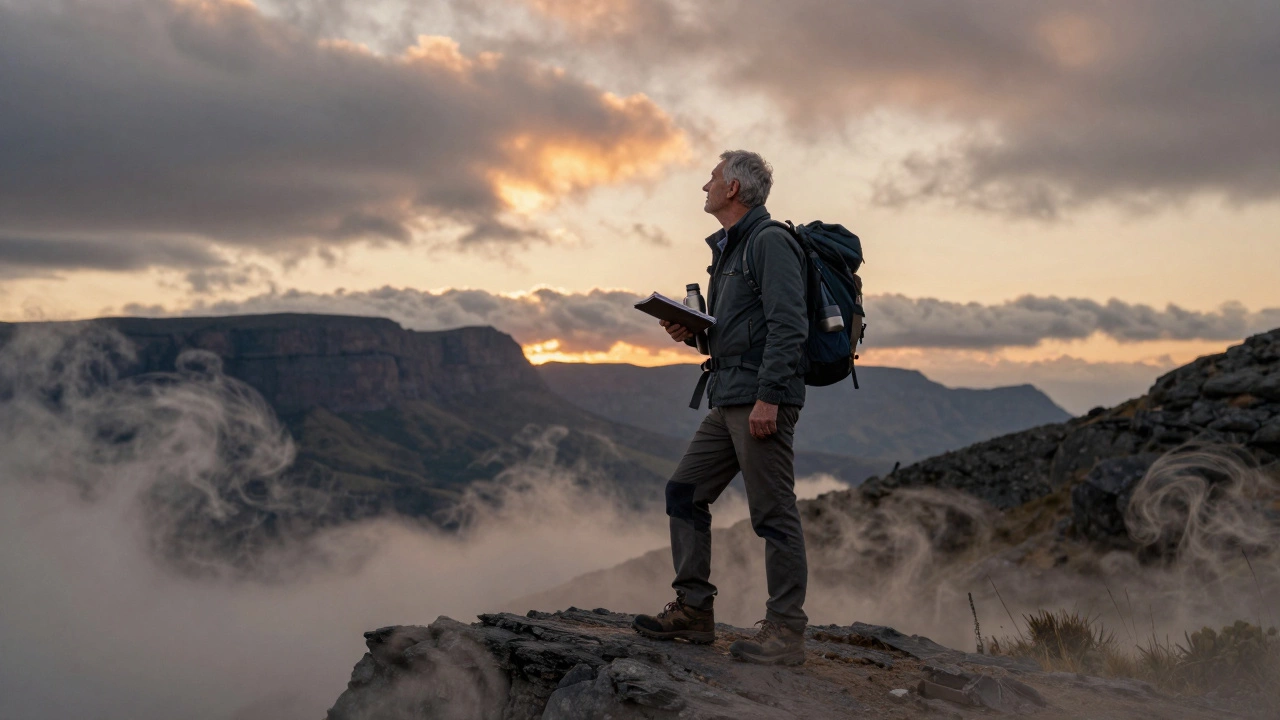
I’ve met a 68-year-old retiree from Johannesburg who hikes the Drakensberg every winter. He carries a thermos of rooibos tea and a notebook. He writes poems about the clouds. He doesn’t post on Instagram. He doesn’t need to.
There’s a single mom in Port Elizabeth who takes her kids camping every holiday. They sleep in a tent, cook over a fire, and walk five kilometers to the nearest shop. She calls it “teaching them how to be human.”
Adventure doesn’t require a big budget. It requires curiosity. It requires willingness to be uncomfortable. It requires showing up-even when you’re scared, tired, or unsure.
How to Know If You’re One
Ask yourself these questions:
- Do you feel more like yourself on a muddy trail than in a crowded restaurant?
- Do you get excited about getting lost-really lost-not just “off the beaten path” but truly off the map?
- Do you remember your best memories as moments of challenge, not comfort?
- Do you feel restless after more than two weeks in the same place?
- Do you find yourself daydreaming about places you’ve never been, not because they’re pretty, but because they feel like they might change you?
If you answered yes to three or more-you’re probably an adventure seeker. And you’re not alone.
Why the World Needs More of Them
Adventure seekers don’t just travel. They connect. They listen. They learn. They bring back stories that break stereotypes.
When a German man spent six months living with the San people in the Kalahari, he didn’t come back with photos of dancing. He came back with a new understanding of time, community, and what it means to have nothing-and still be rich.
These people are the quiet diplomats of the world. They don’t wear badges. They don’t give speeches. But they change minds, one dusty road at a time.
The world doesn’t need more tourists. It needs more seekers.
What Comes Next?
If you recognize yourself here, don’t wait for the “perfect time.” There won’t be one.
Start small. Walk a trail you’ve never taken. Talk to someone in a language you don’t speak. Stay overnight in a place you don’t know. Say yes to the invitation that scares you.
Adventure doesn’t ask for a passport. It asks for courage. And courage is something you can choose-right now, in this moment.
So go. Get lost. Find yourself. And don’t worry about what to call it. The name will come later.