
Cost of Living Comparison Calculator
Your Current Situation
Maryland Wealth Facts
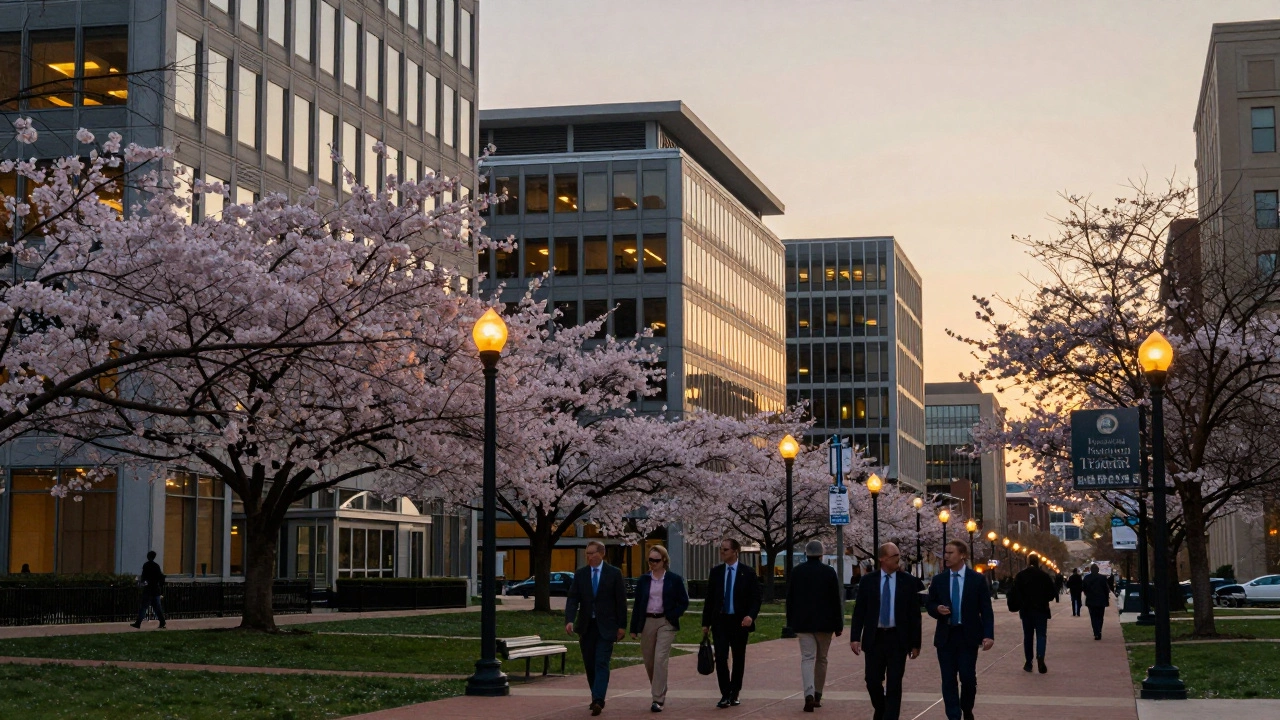
Maryland's economy is anchored by government and research institutions, providing stable incomes but with high living costs.
Average housing prices exceed $500,000 in Montgomery and Howard counties.
The richest state in the U.S. isn't California, New York, or Texas. It's Maryland. In 2025, Maryland had the highest median household income in the country at $96,649, according to the U.S. Census Bureau. That’s nearly $15,000 more than the national average. This isn’t a fluke. Maryland has held the top spot for over a decade, and the reasons go deeper than just high salaries.
Why Maryland Leads in Wealth
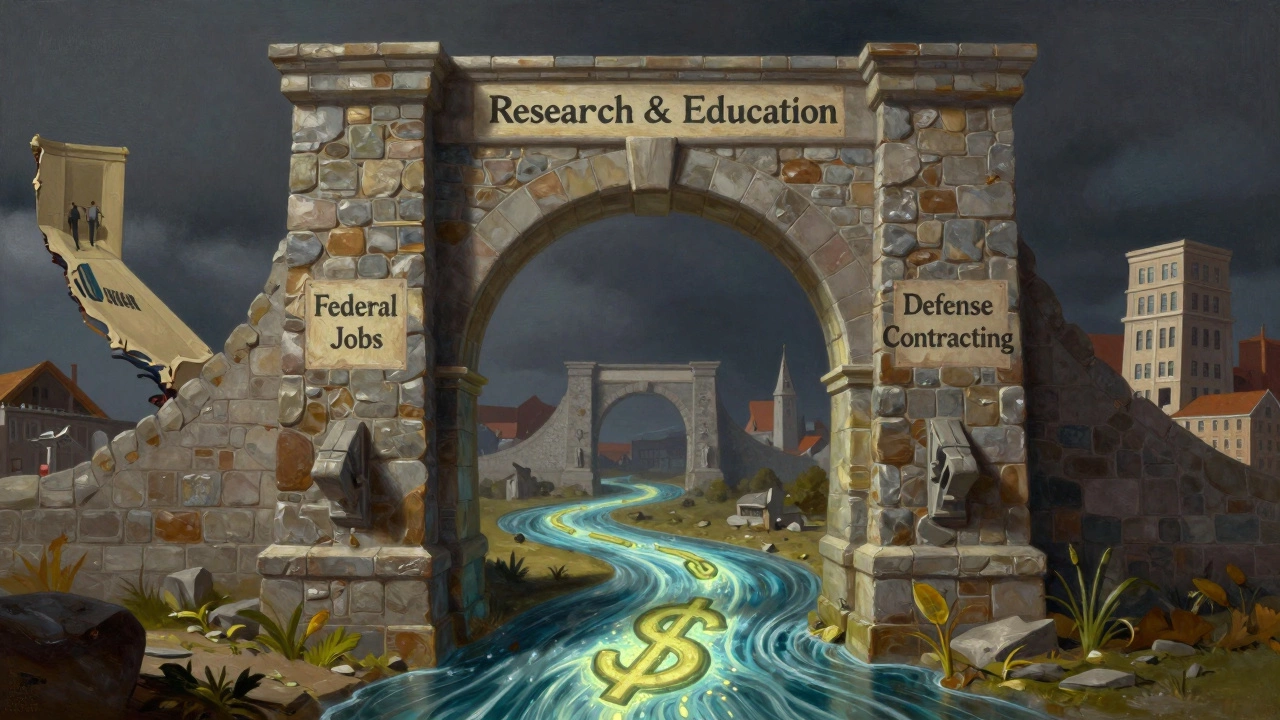
Maryland’s wealth comes from a mix of government jobs, tech, and education. The state is home to the federal government’s biggest employers: the Department of Defense, the National Institutes of Health, and the National Security Agency. Thousands of workers in these agencies earn six-figure salaries, and many more work for defense contractors like Lockheed Martin and Northrop Grumman, which have major bases in the Baltimore-Washington corridor.
Then there’s education. Johns Hopkins University and the University of Maryland system bring in billions in research funding. That money doesn’t just pay professors-it hires engineers, lab techs, data analysts, and project managers. These aren’t entry-level jobs. Many pay $80,000 to $120,000 a year, even without a PhD.
And unlike places like Silicon Valley, where tech pay is flashy but expensive, Maryland’s cost of living is more balanced. Yes, housing in Bethesda or Rockville is pricey. But in places like Frederick or Annapolis, you can still buy a solid home for under $500,000. That’s half what you’d pay in San Francisco for similar space.
How It Compares to Other Top States
Here’s how Maryland stacks up against its closest rivals in 2025:
| State | Median Household Income | Key Drivers |
|---|---|---|
| Maryland | $96,649 | Federal jobs, defense contracting, biotech |
| New Jersey | $93,421 | Pharma, finance, commuter workforce |
| Massachusetts | $92,112 | Education, healthcare, tech |
| Washington | $91,556 | Tech (Amazon, Microsoft), aerospace |
| California | $86,221 | Tech, entertainment, agriculture |
New Jersey comes in second, but its wealth is more spread thin. A lot of people live in New Jersey because they work in New York City-but commute. Their income is high, but so are taxes and housing costs. Massachusetts has top-tier universities and hospitals, but the cost of living eats into disposable income. Washington has big tech paychecks, but housing prices in Seattle and Bellevue have soared past affordability for many.
Maryland doesn’t have the flash of Silicon Valley or the global fame of New York. But it has stability. Federal funding doesn’t crash during recessions. Defense contracts keep rolling. Research grants keep flowing. That’s why even during the 2020 pandemic, Maryland’s median income barely dipped. Most other states saw a 3% to 5% drop. Maryland held steady.

Who Lives in the Richest State?
It’s not just CEOs and scientists. The wealth in Maryland is broad. Nurses at Johns Hopkins make $85,000 on average. IT specialists at the CIA earn $95,000. High school teachers in Montgomery County make $75,000-more than the national median for all workers. You don’t need a doctorate to live comfortably here.
And it’s not just white-collar workers. Skilled trades are well-paid too. Electricians, plumbers, and HVAC technicians working on federal buildings or university campuses often make $70,000 to $90,000 with overtime. Union contracts and government standards keep wages high across the board.
What you won’t find as much of? Gig workers. The state’s economy is built on stable, full-time jobs with benefits. You won’t see Uber drivers making up 20% of the workforce like you do in Las Vegas or Orlando. Most people have health insurance, paid leave, and retirement plans.
The Downside of Being the Richest
There’s a price for all this wealth. Taxes. Maryland has one of the highest state income tax rates in the country-up to 5.75% plus local taxes that can push it over 8%. Property taxes are also among the highest. In Howard County, the average homeowner pays over $5,000 a year in property taxes alone.
And while the state has great schools, it’s not evenly distributed. Wealthy areas like Montgomery County have top-ranked public schools. But in places like Baltimore City or Eastern Shore counties, funding lags. The gap between rich and poor neighborhoods is stark.
Also, the cost of entry is high. To live in the best parts of Maryland, you need to earn at least $75,000 just to break even. Rent for a one-bedroom in Bethesda starts at $2,200. That’s not affordable for someone making $50,000-even if they’re a teacher or nurse.
What This Means for You
If you’re thinking of moving for a better income, Maryland is a real option. But only if you have the right job. It’s not a place you move to for a retail job or fast-food work. You need a career in tech, healthcare, government, or skilled trades tied to federal or institutional funding.
If you’re already in one of those fields, Maryland offers security, good schools, and strong public services. It’s not the state with the most nightlife or the best beaches-but if you want to build long-term wealth without gambling on a startup or chasing volatile markets, it’s one of the safest bets in the country.
And if you’re just curious about where money is concentrated? Look at where the federal government invests. That’s where the wealth follows.
Is Maryland Still the Richest in 2026?
As of early 2026, Maryland is still on top. The latest quarterly data from the Census Bureau shows no sign of decline. New Jersey and Massachusetts are catching up slowly, but Maryland’s federal anchor is too strong to shake. Even if defense spending dips next year, the research and healthcare sectors are growing fast enough to hold the line.
Don’t expect a sudden change. This isn’t like California, where tech booms and busts. Maryland’s economy is steady. It’s built on institutions that don’t go out of business. That’s why it stays #1.
Is Maryland the richest state in the U.S.?
Yes, as of 2025 and early 2026, Maryland has the highest median household income in the U.S. at $96,649, according to the U.S. Census Bureau. It has held this position for over 10 years due to strong federal employment, defense contracting, and high-paying jobs in education and healthcare.
Why is Maryland so wealthy compared to other states?
Maryland’s wealth comes from its proximity to Washington, D.C., and the concentration of federal agencies, defense contractors, and top research institutions like Johns Hopkins. These employers pay high wages and offer stable, long-term jobs. Unlike states that rely on volatile industries like tech or tourism, Maryland’s economy is anchored by government funding that continues even during economic downturns.
What city in Maryland has the highest income?
Bethesda, located in Montgomery County, has the highest median household income in Maryland, at over $140,000. It’s home to many federal contractors, biotech firms, and executives working for national organizations. Other high-income areas include Rockville, Columbia, and Potomac.
Is it expensive to live in Maryland?
Yes, especially in areas near D.C. Housing costs are high-median home prices exceed $500,000 in Montgomery and Howard counties. Property taxes are among the highest in the nation, and state income taxes top 8% in some areas. However, wages are also high, so many residents can afford it. Outside the D.C. metro, places like Frederick or Hagerstown offer more affordable options.
Does being the richest state mean everyone in Maryland is rich?
No. While the median income is high, there’s still a wide gap between neighborhoods. Wealth is concentrated in the D.C. suburbs, while parts of Baltimore City and the Eastern Shore struggle with poverty and underfunded schools. The state’s average doesn’t reflect the reality for everyone. It’s a state of contrasts.