Currency Strength Calculator
Currency Strength Calculator
See how much your money is worth in the world's strongest currencies and understand real purchasing power.
Based on current exchange rates (December 2025):
Results
Enter an amount and select your currency to see conversion results.
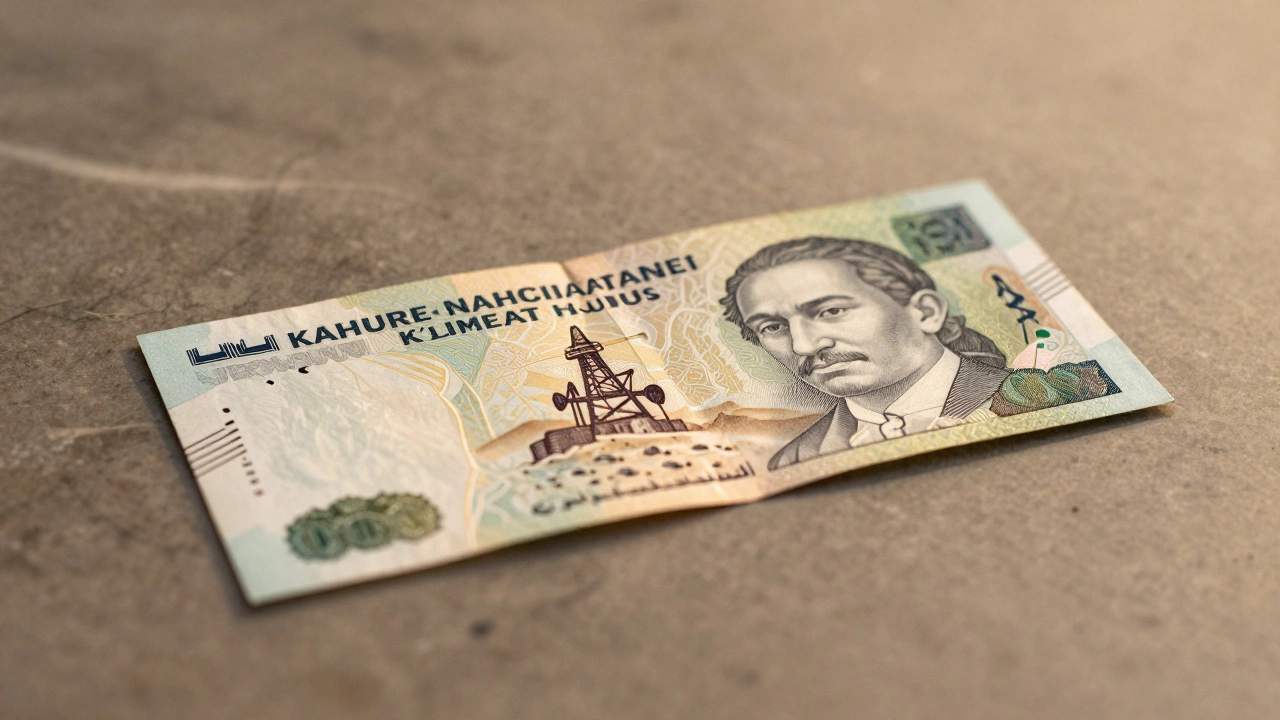
Right now, the strongest currency in the world isn’t the US dollar, the euro, or even the British pound. It’s the Kuwaiti dinar. One Kuwaiti dinar is worth about $3.25 USD - more than three times the value of the dollar. That’s not a typo. You’d need over three American dollars just to buy one dinar. And it’s not just a fluke. Kuwait has held this spot for decades, thanks to its massive oil reserves, stable government, and tight monetary policy.
Why does this matter to you? If you’re planning a trip abroad, or even just thinking about where your money goes furthest, knowing which currencies are strongest helps you understand real purchasing power. It’s not about how big the number looks on a bill - it’s about what that money can actually buy. A strong currency means you get more value when you exchange it. But it also means your own money buys less when you travel there.
Let’s look at the top five strongest currencies right now, based on their value against the US dollar:
| Rank | Currency | Value vs USD | Country | Why It’s Strong |
|---|---|---|---|---|
| 1 | Kuwaiti Dinar (KWD) | $3.25 | Kuwait | Oil wealth, low inflation, central bank controls |
| 2 | Bahraini Dinar (BHD) | $2.65 | Bahrain | Fixed to USD, strong financial sector, oil exports |
| 3 | Omani Rial (OMR) | $2.60 | Oman | Oil-backed economy, stable government, limited money supply |
| 4 | Jordanian Dinar (JOD) | $1.41 | Jordan | Fixed to IMF SDR, low debt, foreign aid support |
| 5 | British Pound (GBP) | $1.27 | United Kingdom | Global reserve currency, strong services economy, historical stability |
These currencies aren’t strong because their countries are rich in tourists or tech startups. They’re strong because of deep economic foundations: oil revenue, tight control over money supply, and long-term political stability. Kuwait doesn’t print more dinars just to make the numbers look bigger. The Central Bank of Kuwait keeps the supply low and the value high. That’s why you won’t find 100-dinar notes floating around - they don’t need to. A single dinar buys a lot.
Compare that to currencies like the Indonesian rupiah or the Vietnamese dong, where you might need tens of thousands to buy a coffee. Those numbers look big, but they’re not strong. They’re just inflated by decades of printing money to cover government spending. Strength isn’t about quantity - it’s about stability and real purchasing power.
What does this mean if you’re traveling? If you’re heading to Kuwait or Oman, your dollars won’t stretch far. A hotel room might cost 20 dinars - that’s $65 USD. A meal at a mid-range restaurant could be 5 dinars ($16). You’ll need to plan your budget carefully. On the flip side, if you’re from Kuwait or Bahrain and you’re visiting South Africa, your money goes a long way. A good steak dinner in Port Elizabeth might cost you just 1.5 dinars - less than $5 USD. That’s the power of a strong currency.
Some people think the US dollar is the strongest because it’s used everywhere. But that’s not the same thing. The dollar is the most used currency in global trade - not the most valuable. It’s like saying a hammer is the strongest tool because everyone uses it. But a diamond-tipped drill is stronger, even if fewer people own one.
The British pound is the only one in the top five that’s not from the Middle East. It holds its spot because of the UK’s deep financial markets, global influence, and history as a reserve currency. Even after Brexit, the pound hasn’t collapsed. It’s still trusted. But it’s also more volatile than the dinars or rials. The Kuwaiti dinar hasn’t changed much in value since the 1970s. The pound swings with global news, interest rates, and political uncertainty.
There’s a myth that a strong currency means a country’s economy is better. Not always. Kuwait’s economy is almost entirely oil. If oil prices drop, the dinar’s value could fall - but it won’t crash overnight. The government has over $700 billion in sovereign wealth funds to fall back on. Meanwhile, countries like Switzerland or Singapore have weaker currencies on paper, but their economies are more diversified and resilient. The Swiss franc is worth about $1.10 USD - less than the pound - but Switzerland has one of the highest standards of living in the world.
So why does the Kuwaiti dinar stay on top? Three reasons: oil money, discipline, and isolation. Kuwait doesn’t rely on tourism or manufacturing. It doesn’t need to devalue its currency to boost exports. It doesn’t print extra money to pay for public spending. The dinar is like a vault - locked tight, protected, and rare.
If you’re comparing currencies to plan a holiday, don’t just look at exchange rates. Look at what you’re actually buying. A $500 hotel in Dubai might seem expensive, but if you’re paying in Kuwaiti dinars, that’s only about 154 dinars - and if you’re from Kuwait, that’s less than half your monthly salary. That’s real value. But if you’re from South Africa, paying $500 for a hotel means you’re spending nearly 9,000 rand - a big chunk of your income.
Strong currencies don’t make travel cheaper. They make it more expensive for outsiders. But they also mean the people who live there have more security. Inflation is low. Prices are stable. Savings don’t vanish overnight. That’s why, even though most people won’t ever hold a Kuwaiti dinar, it still matters. It’s a benchmark - a reminder that real wealth isn’t about big numbers on a screen. It’s about what stays steady when everything else shakes.
And if you’re thinking about where to put your money - whether for travel, savings, or investment - the strongest currencies aren’t always the best. Sometimes, a weaker currency with a growing economy gives you more room to grow. But if you want to know which currency has the most power right now? It’s still the dinar. No contest.
Is the US dollar the strongest currency in the world?
No, the US dollar is not the strongest currency by value. While it’s the most widely used currency in global trade and reserves, its value is about $1 USD per dollar. The Kuwaiti dinar, Bahraini dinar, and Omani rial are all worth more than $2 USD each. Strength is measured by exchange rate against the dollar, not usage.
Why is the Kuwaiti dinar so valuable?
The Kuwaiti dinar is valuable because Kuwait has vast oil reserves, a small population, and a conservative central bank that limits money printing. The government also invests oil profits into sovereign wealth funds, which stabilize the economy. This keeps inflation low and the dinar’s value high.
Can I use Kuwaiti dinars outside Kuwait?
Not easily. The Kuwaiti dinar is not widely accepted outside Kuwait. You’ll need to exchange it for local currency when traveling. Most banks and exchange offices outside the Gulf region don’t handle it, so plan ahead. It’s best to convert dinars to USD or EUR before leaving Kuwait.
Does a strong currency mean a country is richer?
Not necessarily. A strong currency reflects monetary policy and economic stability, not overall wealth. Countries like Switzerland and Singapore have lower-valued currencies but higher GDP per capita than Kuwait. Wealth comes from diversified economies, education, and innovation - not just currency value.
Should I invest in strong currencies like the dinar?
Generally, no. You can’t easily buy or trade Kuwaiti dinars as an investment. They’re not available on global forex markets like the dollar or euro. Even if you could, they’re not designed to appreciate - they’re meant to stay stable. Investing in them won’t make you rich. Instead, focus on assets like stocks, bonds, or real estate in growing economies.
How does a strong currency affect tourists?
A strong currency makes travel to that country more expensive. If you’re visiting Kuwait or Oman, your dollars, rand, or euros will buy less. A simple meal might cost $20 USD. But if you’re from Kuwait traveling abroad, your money goes much further - meals, hotels, and shopping become cheaper. Strong currencies benefit residents, not visitors.