
Budget Travel Cost Calculator
Calculate Your Budget Trip
Estimated Costs
Want a vacation that doesn’t drain your bank account? You’re not alone. In 2026, with inflation still lingering and flights more expensive than pre-pandemic, people are getting smarter about where they go-and how they get there. The cheapest vacation isn’t about skipping everything. It’s about picking the right place, timing it right, and knowing the little tricks that save you hundreds.
Portugal’s Algarve coast in late fall
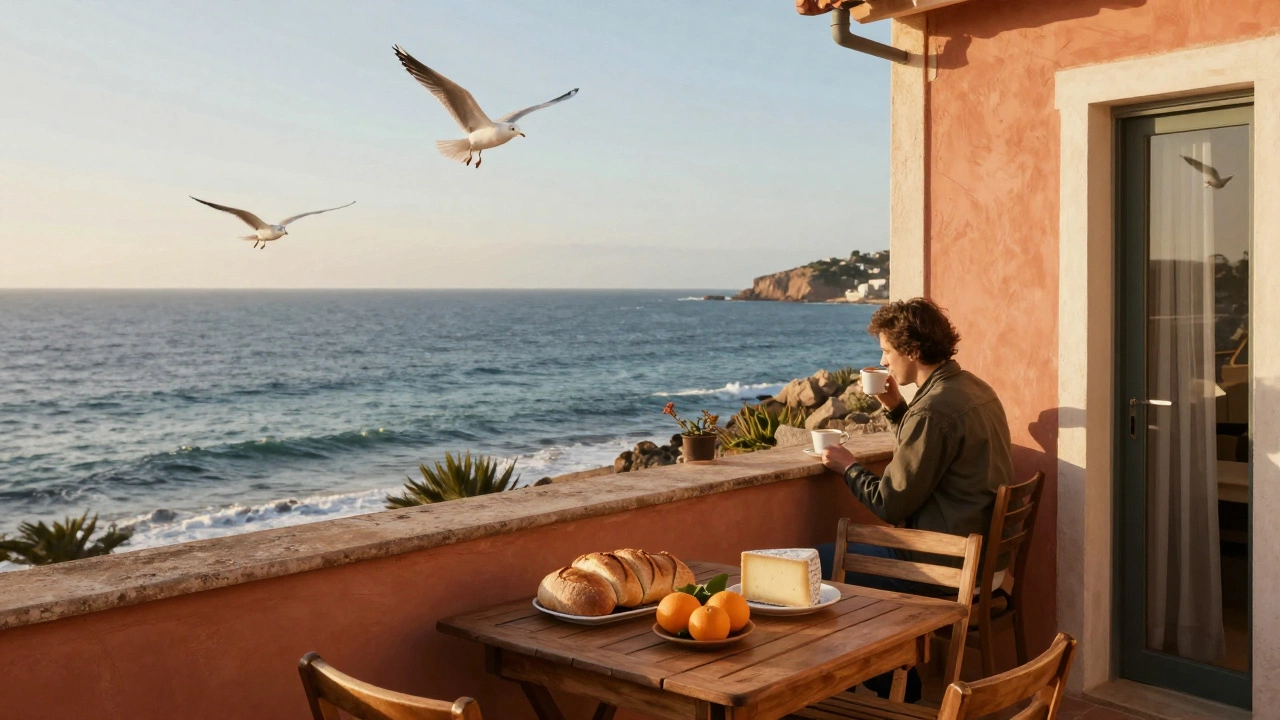
Forget summer crowds and €150 hotel rooms. Head to the Algarve in October or November. The weather still hovers around 20°C, the sea is warm enough for a quick dip, and Airbnb rentals drop by 60% compared to July. You can rent a small apartment with a balcony overlooking the ocean for €40 a night. Breakfast? Grab fresh bread, local cheese, and oranges from the market for €3. Lunch? A grilled sardine sandwich at a family-run tasca costs €5. Dinner? A seafood stew with wine runs €12. Public buses between towns run every hour and cost under €2.50. No car needed. You’re spending under €80 a day total, including lodging.
Georgia (the country, not the state)
Georgia, tucked between Turkey and Russia, is one of the most affordable countries in Europe. You don’t even need a visa if you’re from the U.S., Canada, EU, or South Africa. Tbilisi, the capital, feels like a mix of old-world charm and street food culture. A three-course meal at a local restaurant? €5. A private room in a guesthouse? €15. The public transport system-buses and marshrutkas-is cheap and reliable. A day trip to the wine region of Kakheti costs €10 in transport and includes tastings at three family-run wineries. In Svaneti, you can hike ancient mountain trails and sleep in a stone guesthouse for €12 a night. The currency? Georgian Lari. One euro buys you nearly 3 Lari. You can easily spend €30 a day here and live like a local.
Domestic travel in South Africa
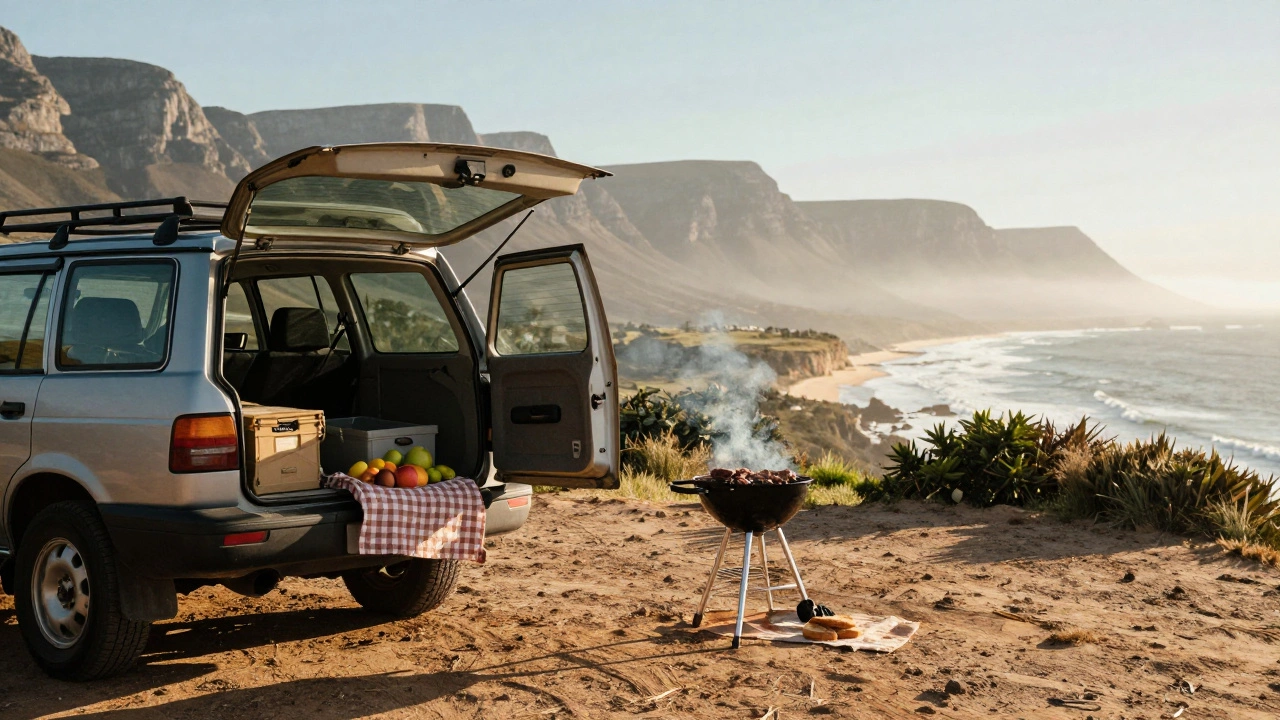
Why fly overseas when you’ve got the Drakensberg, the Garden Route, and the Karoo right here? A budget road trip in South Africa can cost less than a flight to Europe. Rent a used car from a local agency for R1,200 a week (about €60). Fuel? Around R22 per liter. Fill up once a week: R150. Camping sites run R150-R300 per night. A basic lodge with a shared bathroom? R500. Meals? Braai (barbecue) at a local market: R60. Fresh fruit and bread from roadside stalls: R30. You can do a 7-day loop from Port Elizabeth to Knysna to Oudtshoorn for under R5,000 total-roughly €250. No flights. No visa. No language barrier. Just open roads and wild views.
Poland’s smaller cities
Warsaw and Kraków are popular, but they’re not the cheapest. Try Lublin or Bialystok. Both have historic old towns, cozy cafés, and hostels that charge under €10 a night. A meal of pierogi and beet soup? €4. A bus ride across town? €0.70. Public Wi-Fi is free everywhere. Museums often have free entry days. The city of Łódź has a former textile factory turned art hub-free to explore. A weekend here costs less than €100 if you skip the fancy restaurants and stick to bakeries and street vendors. And the trains between cities are clean, fast, and cost under €15.

Vietnam’s rural north
Most travelers flock to Hanoi and Halong Bay. But skip the tourist traps and head to Sapa or Dien Bien Phu. Homestays in mountain villages run €8 a night. Meals? Rice with vegetables and egg? €1.50. A local bus ride from town to town? €1. You can hike terraced rice fields for days with no entry fee. Buy fresh herbs and fish from morning markets for pennies. A warm shower? €0.50. Even if you splurge on a guided trek, it’s €15 for the whole day. A week here? Under €120. The currency is Vietnamese Dong. One euro buys you over 27,000. You’ll feel rich.
Why these places work
These destinations share three things: low cost of living, strong local economies that welcome budget travelers, and minimal hidden fees. There’s no resort tax in Georgia. No tourist surcharge in rural Vietnam. No mandatory tipping in Portugal. You’re not paying for branded hotels or guided tours you don’t need. You’re eating where locals eat, sleeping where they sleep, and moving how they move.
Also, timing matters. Traveling outside peak season isn’t just cheaper-it’s better. You get quieter streets, friendlier service, and real experiences. In the Algarve in November, the fisherman who sells you grilled squid remembers your name. In Sapa, the grandma who cooks your dinner teaches you how to fold rice paper. These aren’t just vacations. They’re moments you can’t buy.
What to avoid
Don’t fall for "budget" destinations that charge extra for everything. Some places in Southeast Asia advertise cheap stays but add €10 for Wi-Fi, €5 for towels, €15 for breakfast. Same with Eastern Europe-some hostels charge €20 for a bed but don’t include showers or lockers. Always check reviews that mention hidden fees. Look for places with 4.8+ ratings and comments like "no surprises" or "everything included."
Also avoid flying into major hubs just to get to a cheap spot. Flying into Lisbon to reach the Algarve? Fine. Flying into Paris to get to Georgia? That’s a €400 mistake. Book direct to smaller airports when you can. Or take a bus or train. In Europe, overnight trains can save you a night’s lodging.
How to plan your next cheap trip
- Choose a destination with low daily costs (under €50)
- Travel during shoulder season (spring or fall)
- Book accommodation with a kitchen-cook one meal a day
- Use public transport or walk
- Visit free attractions: parks, markets, churches, hiking trails
- Carry local currency and avoid ATMs with high fees
- Check if your country has visa-free access
That’s it. No apps. No subscriptions. Just smart choices.
Real example: My 10-day trip to Georgia
Last October, I spent 10 days in Georgia. I flew into Tbilisi on a €180 round-trip ticket (booked 4 months ahead). I stayed in a guesthouse with breakfast for €12 a night. I ate at local spots every day-khachapuri, lobio, chakhokhbili. Total food cost: €35. I took two buses to Mtskheta and Sighnaghi-€4 total. I hiked in Kazbegi for free. I bought a bottle of wine from a family winery for €3. I didn’t use a tour guide. I didn’t rent a car. I didn’t buy souvenirs. I spent €420 total. That’s less than what some people spend on a weekend getaway near home.
Final thought: Cheap doesn’t mean poor
The cheapest vacation isn’t about suffering. It’s about trading luxury for authenticity. You won’t find a pool with a view in Sapa. But you’ll find a woman in a woven hat selling warm tea from a clay pot. You won’t get room service in Lublin. But you’ll get a conversation with a retired teacher who shows you the best bakery on the corner. That’s the real value. And it doesn’t cost a fortune.
What is the absolute cheapest country to visit in 2026?
Georgia is the most consistently affordable country for travelers in 2026. Daily costs stay under €30, visas are free for most nationalities, and the local economy is built around welcoming tourists without inflating prices. Vietnam and rural Portugal follow closely behind.
Can I travel cheaply without flying?
Absolutely. Domestic road trips-like driving from Port Elizabeth to Knysna in South Africa-can cost less than €250 for a week. In Europe, overnight buses and trains between cities are cheaper than flights and often include a bed. Look for regional bus networks like FlixBus or local carriers in Southeast Asia.
Is it safe to travel to these cheap destinations?
Yes. Georgia, Portugal, Poland, and rural Vietnam have low crime rates for tourists. Stick to common sense: don’t flash cash, lock your bag, and avoid isolated areas at night. Most hostels and guesthouses have secure storage. Local people are often more helpful than in tourist-heavy spots.
How do I find cheap flights to these places?
Use Google Flights and set price alerts for destinations like Tbilisi, Lisbon, or Ho Chi Minh City. Book 3-6 months ahead. Look for flights to smaller airports-like Faro instead of Porto, or Lviv instead of Kyiv. Sometimes flying into a nearby country and taking a bus is cheaper than a direct flight.
What’s the best time of year to travel for the lowest prices?
Late September to early November and mid-January to mid-March are the sweet spots. These are shoulder seasons: weather is still good, crowds are gone, and prices drop sharply. Avoid holidays like Christmas, Easter, and local festivals when accommodation spikes.