Most people think singles meet at bars or on apps. But if you look at the real data - not the movies or the ads - the top places people actually find romantic connections have changed. And they’re not what you’d expect.
Online dating still leads, but it’s not the whole story
Yes, apps like Hinge, Bumble, and Tinder still dominate. A 2024 survey by the Pew Research Center found that 30% of U.S. adults under 40 have met a romantic partner online. But here’s the twist: most of them didn’t start dating because they swiped right on a stranger. They started because they joined a group - a book club, a hiking meetup, a language exchange. The app was just the gateway.
People aren’t just looking for dates anymore. They’re looking for shared experiences. That’s why profiles with photos of people volunteering, cooking, or hiking get 4x more matches. The algorithm doesn’t just match looks - it matches interests. And those interests often lead to real-life meetups.
Work is still a quiet powerhouse for meeting partners
Forget the office romance clichés. Today, it’s not about flirting at the water cooler. It’s about shared purpose. A 2023 study from the University of Chicago tracked over 12,000 new relationships and found that 22% of singles met their partner through work - but not in the way you think.
It’s often in freelance gigs, co-working spaces, or project-based teams. Think: a graphic designer meets a copywriter while working on a nonprofit campaign. A teacher meets a therapist while volunteering at a youth center. These aren’t random encounters. They’re built on mutual respect, shared goals, and time spent together solving real problems.
Workplace connections are more stable too. Couples who meet at work report higher satisfaction levels in their first year than those who meet on apps. Why? Because they already know how the other person handles stress, deadlines, and teamwork.
Community events are the hidden dating goldmine
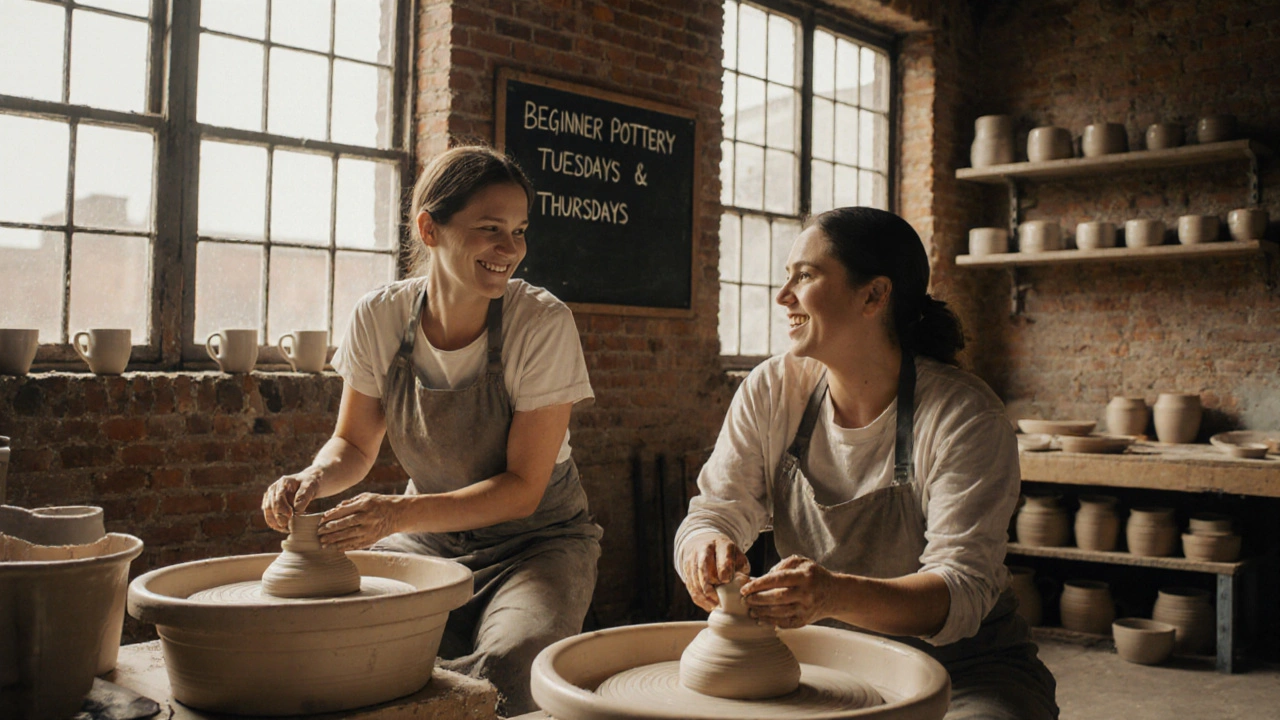
Small-town festivals, farmers’ markets, yoga classes, and pottery workshops are where real connections form. In cities like Cape Town, Berlin, and Portland, community events have become the new singles scene - and they’re growing fast.
Look at the numbers: in 2024, Meetup.com saw a 47% increase in events labeled “singles social” that weren’t explicitly dating-focused. Events like “Coffee & Conversation,” “Board Game Nights,” and “Urban Gardening Groups” had the highest retention rates. People showed up for the activity - and stayed for the person.
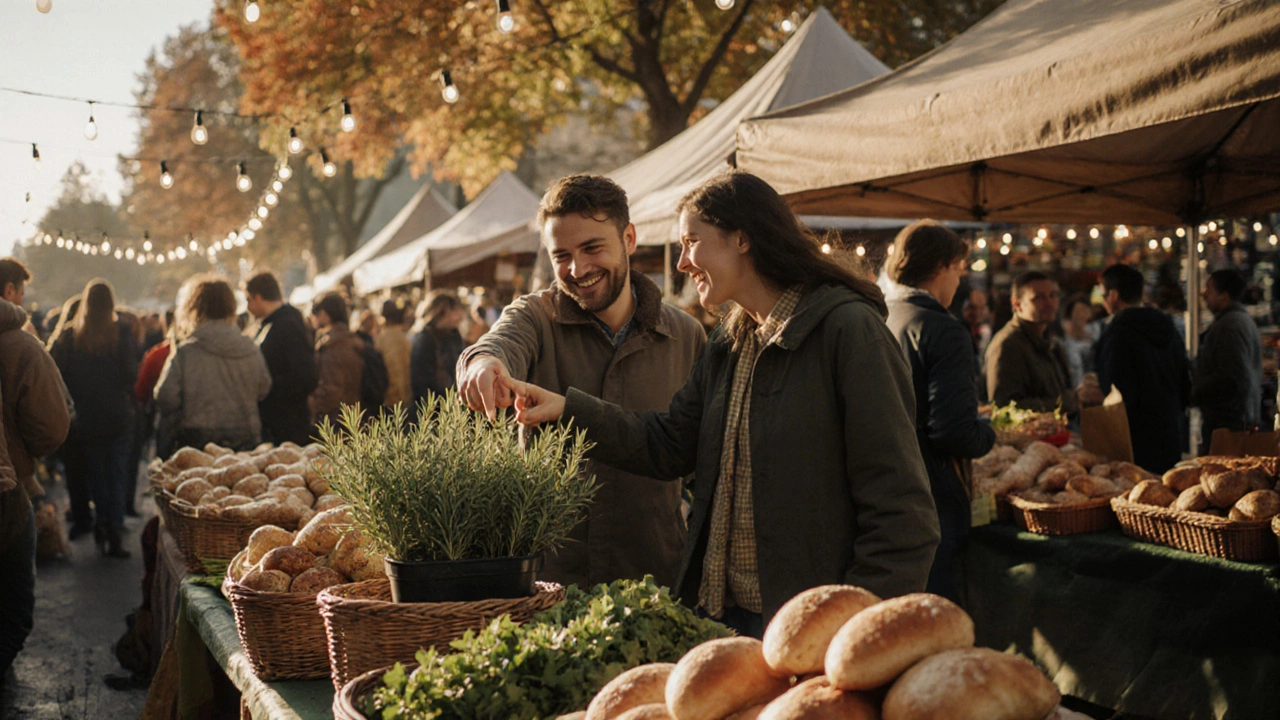
These settings work because they remove the pressure. No one’s scanning your profile. No one’s judging your bio. You’re just there, making sourdough bread or planting herbs, and someone next to you says, “You’ve got a green thumb.” That’s how it starts.
Volunteering is the most underrated dating spot
Volunteering isn’t just good for your soul - it’s good for your love life. A 2025 study by the University of Michigan found that people who volunteer regularly are 30% more likely to be in a committed relationship than those who don’t.
Why? Because helping others reveals character. You see how someone treats a stranger, how they handle frustration, whether they show up on time, and if they listen. These are the traits that last.
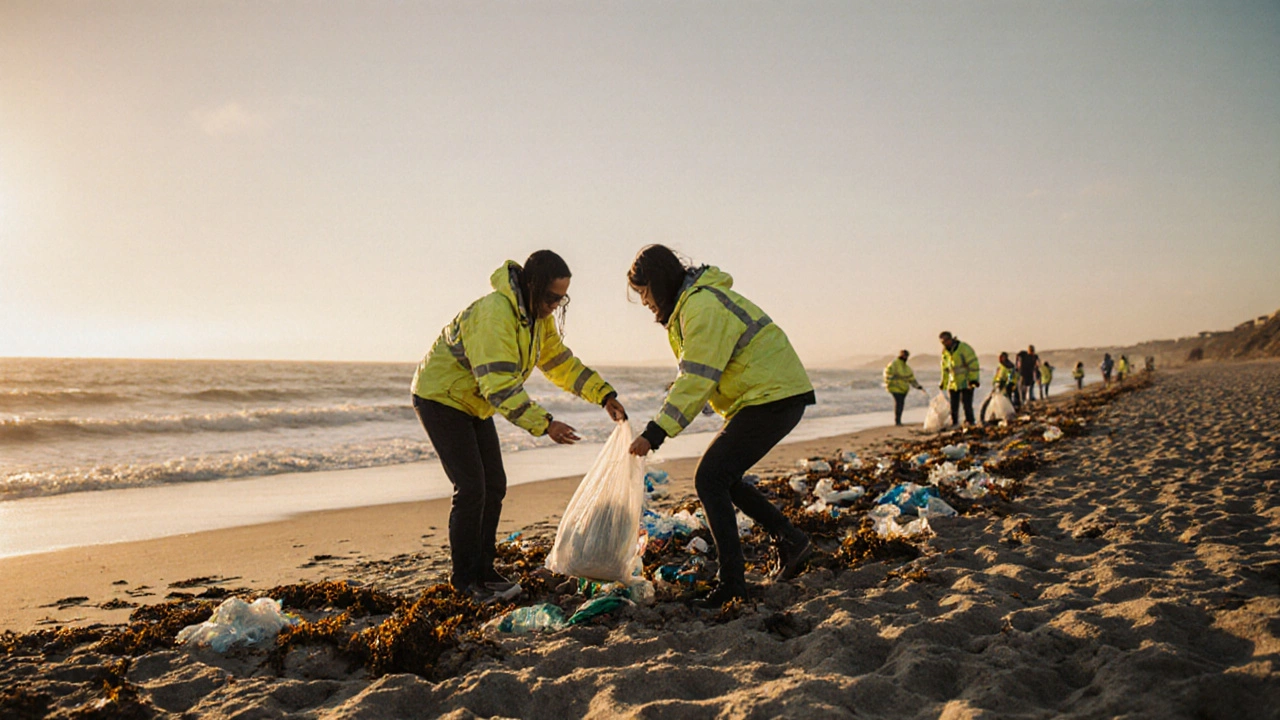
Organizations like animal shelters, food banks, and community gardens are full of singles who care about more than just a good night out. In Port Elizabeth, the local beach clean-up group has become a regular meetup for singles in their late 20s and early 30s. It’s not a dating event. It’s just people doing good - and finding each other along the way.
Classes and workshops beat bars every time
Remember when people said, “If you want to meet someone, go to a bar”? That’s outdated. Bars are noisy, crowded, and full of people who just want to escape their day - not build something real.
Instead, look at dance classes. Salsa, swing, and even line dancing have become top spots for singles to connect. Why? Because dancing forces you to be present. You can’t scroll on your phone while leading a turn. You have to pay attention, communicate nonverbally, and trust your partner.
Language classes are another surprise winner. Learning Spanish, French, or even isiXhosa with a group creates natural bonding. You laugh at mistakes, celebrate progress, and share the vulnerability of being a beginner. It’s intimacy without the pressure.
And don’t overlook fitness classes. Group cycling, rock climbing, and CrossFit create strong emotional bonds through shared effort. One woman in Johannesburg met her partner during a 6-week endurance training course. They didn’t exchange numbers until week four - after they both finished a 10K run together.
What doesn’t work anymore
Let’s be honest: blind dates set up by friends? They’re hit or miss - and mostly miss. Apps that only show photos? They’re exhausting. Bars with “singles nights”? They feel like job fairs.
People are tired of performance. They don’t want to impress. They want to connect. That’s why the most successful singles aren’t the ones with the best profiles - they’re the ones who show up consistently for things they care about.
If you’re looking for someone, stop trying to find a date. Start looking for a shared interest. Join a group. Show up. Be curious. Let the connection grow naturally.
Real people, real places
The truth? Most singles don’t meet in dramatic, cinematic moments. They meet in quiet, ordinary places - while waiting for coffee, after a class ends, during a community clean-up, or while learning how to knit.
The best places to meet someone aren’t about luck. They’re about alignment. You’re more likely to connect with someone who shares your values, your energy, and your rhythm - not just your taste in music or movies.
So if you’re wondering where to go next - skip the app for a week. Try a pottery class. Join a local book club. Volunteer at a shelter. Attend a weekend market. The person you’re looking for isn’t waiting for you on a screen. They’re waiting for you in real life - doing something they love.
You just have to show up.
Are online dating apps still the best way to meet someone?
Apps are still popular - but they’re rarely the full story. Most successful relationships that start online begin with shared interests, not just swipes. People who meet through apps tied to hobbies (like hiking groups or language exchanges) have higher long-term success than those who only use photo-based apps.
Is it weird to meet someone at work?
Not at all. In fact, work is one of the most reliable places to meet a long-term partner. It’s not about office flirtation - it’s about shared goals, mutual respect, and seeing how someone handles pressure. Many couples who meet at work report stronger communication and higher relationship satisfaction.
What if I’m shy? Where can I meet people without feeling pressured?
Start with low-pressure group activities: volunteering, community clean-ups, cooking classes, or book clubs. These settings let you focus on the activity, not the person. Conversations happen naturally. There’s no expectation to “perform” or impress. You just show up, participate, and let connections form over time.
Do singles meet more often in cities or small towns?
It’s not about size - it’s about opportunity. Big cities have more events, but small towns often have tighter-knit communities. In places like Port Elizabeth, community events like beach clean-ups or local markets create consistent, repeat interactions. You see the same people often, which builds familiarity - and that’s the foundation of trust.
Why do people who volunteer have more success finding partners?
Volunteering reveals character. You see how someone treats others, handles stress, and shows up consistently. These are traits that matter more than looks or charm. People who volunteer are often more emotionally available and value meaningful connections - which makes them better partners.
Should I avoid bars and clubs if I want a serious relationship?
Not necessarily - but they’re not the best places to find long-term compatibility. Bars are great for casual connections, but they’re not designed for deep conversation. If you want something real, look for places where people gather around shared interests, not just drinks.