When you think of the UK, you might picture busy cities, crowded trains, or rainy streets. But hidden across the country are places so quiet, so calm, they feel like they exist outside of time. If you’re looking to escape noise, stress, and the constant buzz of modern life, the UK has more than just cozy pubs and historic castles-it has true sanctuaries. The most relaxing place in the UK isn’t a single spot. It’s a feeling you get when the only sound is wind through grass, waves lapping a remote shore, or birds calling from a misty hillside.
The Isle of Harris, Outer Hebrides
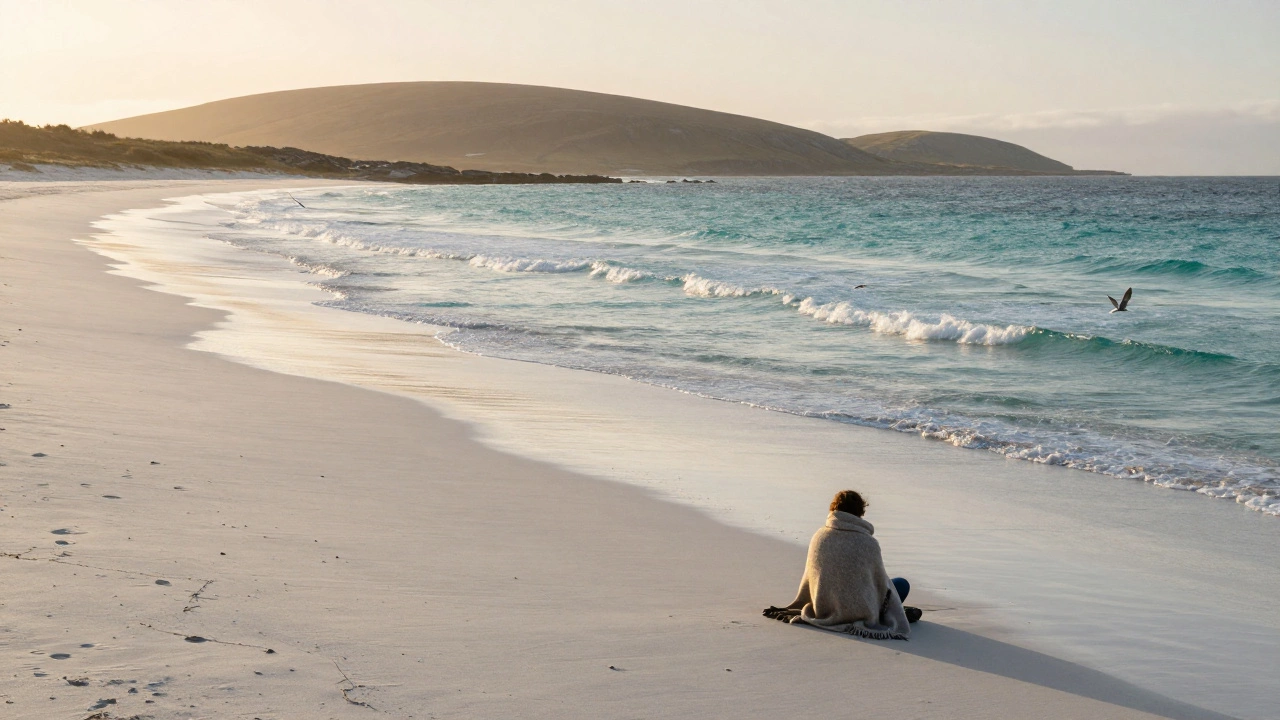
On the western edge of Scotland, the Isle of Harris feels like the edge of the world. With no traffic lights, no chain stores, and fewer than 2,000 people living across its 170 square miles, it’s one of the quietest places in Europe. The beaches here aren’t just scenic-they’re empty. Luskentyre Beach, with its white sand and turquoise water, looks more like the Caribbean than the North Atlantic. Locals will tell you the silence here isn’t just the absence of noise-it’s a presence. You hear your own breath more clearly.
There are no big hotels. Instead, you stay in small guesthouses run by families who’ve lived here for generations. Breakfast is homemade oatcakes with local smoked salmon. Evenings are spent watching the sunset paint the hills gold, with no streetlights to dim the stars. In winter, the Northern Lights sometimes flicker overhead. No tours, no crowds, no apps telling you what to do. Just you, the sea, and the sky.
The Wye Valley, Wales
If you prefer trees over tides, the Wye Valley is where England meets Wales in a quiet embrace. This Area of Outstanding Natural Beauty follows the River Wye for 60 miles, winding through ancient woodlands, limestone cliffs, and forgotten villages. The valley has no major towns-just hamlets like Symonds Yat and Tintern, where the only clock that matters is the one set by the sunrise.
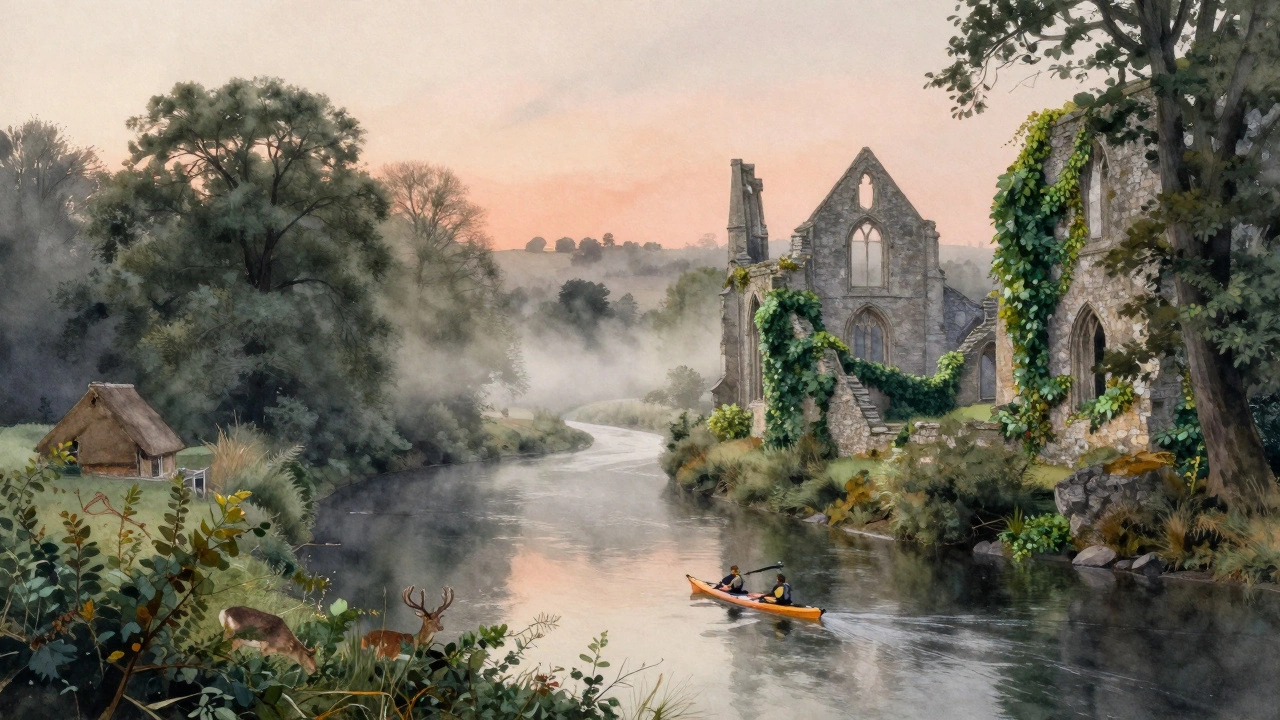
Walk the Offa’s Dyke Path at dawn and you’ll hear nothing but the rustle of deer in the underbrush. Kayak the river and you’ll glide past ruins of 12th-century Tintern Abbey, its stone walls softened by ivy. There’s no Wi-Fi signal in many spots, and that’s the point. Local cafes serve sourdough bread baked with flour from nearby mills and honey from hives kept on the valley’s slopes. One couple I met in a tiny B&B near Monmouth said they come every year because “the silence here recharges my bones.”
The Farne Islands, Northumberland
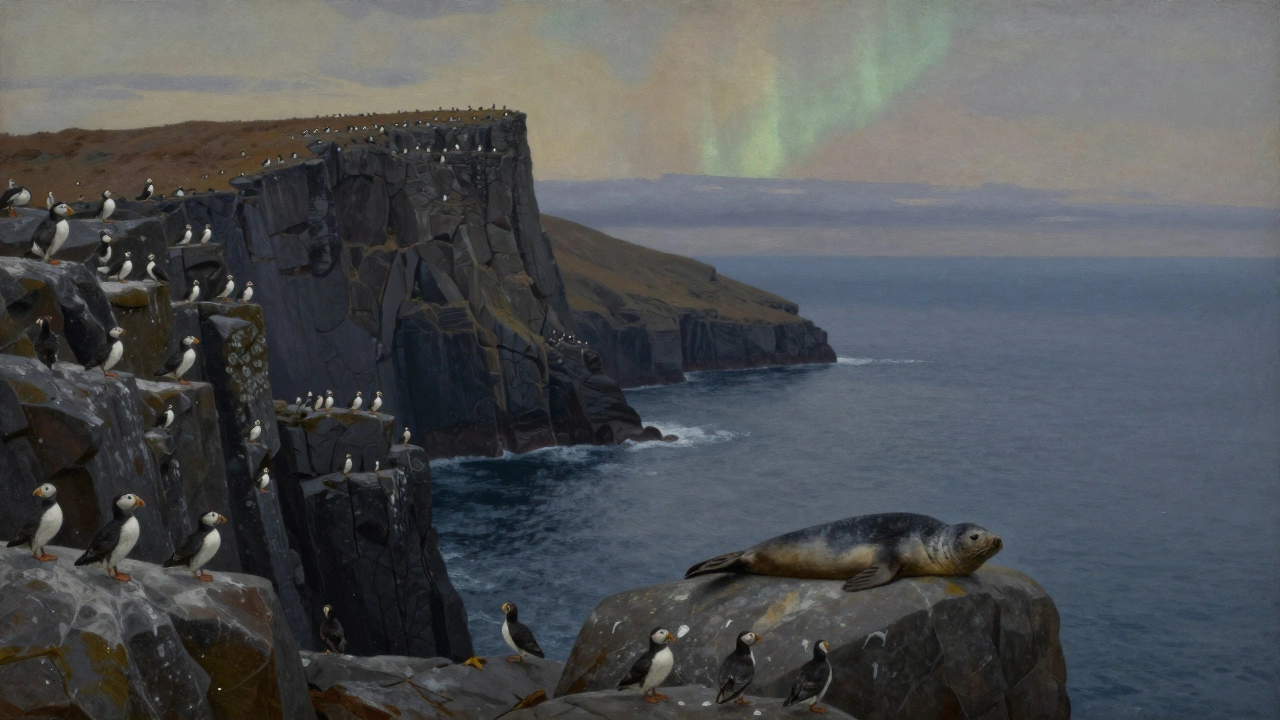
Off the coast of Northumberland, a cluster of rocky islands rises from the sea like ancient sentinels. The Farne Islands are home to over 60,000 seabirds and thousands of grey seals. There are no permanent residents. Just a few rangers, a lighthouse keeper, and the occasional visitor who takes a boat from Seahouses in the morning and returns before dusk.
Walk the narrow paths and you’ll see puffins with orange beaks waddling like toddlers, guillemots huddled on cliffs, and seals curled on sun-warmed rocks, blinking lazily. The water is so clear you can see fish darting below your boots. The wind is constant but gentle. The only human sounds are whispers-you learn quickly not to raise your voice here. In late autumn, the islands are almost entirely empty. One winter day, I sat on a rock for two hours and didn’t see another soul. The only movement was the tide pulling back, slow and steady, like a breath held and then released.
The Lake District’s Ennerdale Water
Most people head to Lake Windermere or Derwentwater. But the real peace in the Lake District lies at Ennerdale Water, the only lake in the region with no public roads along its shore. You can only reach it by foot, bike, or boat. The path in is steep and quiet. No cafes, no gift shops, no buses. Just a single stone cottage and a small campsite run by a retired park ranger.
Here, you wake to mist curling over the water. You paddle a canoe in silence, watching otters slide into the reeds. You eat lunch on a mossy rock, listening to the wind move through the pines. There’s no phone reception. No one here is in a hurry. A local told me, “People come here to forget they have a phone. Then they forget they ever needed one.”
The Lizard Peninsula, Cornwall
At the very tip of England, where the land ends and the Atlantic begins, the Lizard Peninsula feels like another country. The cliffs are wild, the air salty and sharp. The village of Lizard itself has a population of under 400. The pub closes at 9 p.m. There’s no chain store in sight. Instead, you’ll find a single bakery that makes Cornish pasties with filling made from local mackerel and wild garlic.
The beaches here are rocky, not sandy, and that’s what makes them perfect. No families with buckets and spades. Just walkers, artists, and people who come to sit on the rocks and watch the waves crash against the black basalt. The South West Coast Path runs right past the peninsula, and if you hike it at sunrise, you’ll have miles of path to yourself. One morning, I saw a single woman sitting on a cliff with a thermos and a book. She didn’t speak. She didn’t need to. The sea was talking enough.
Why These Places Work
What makes these spots truly relaxing isn’t just their beauty-it’s their lack of demand. They don’t market themselves. They don’t have Instagram influencers. They don’t have ticket booths or timed entry. You don’t book a tour. You just show up, walk slowly, and let the place settle into you.
These places share three things: no crowds, no noise pollution, and no pressure to do anything. No museums to visit. No attractions to check off. No apps telling you how long to stay. You’re not a tourist here-you’re a guest in someone else’s quiet.
Studies show that spending just two hours a week in nature lowers cortisol levels. But in these places, you don’t need to count hours. Time stretches. You stop checking your watch. You stop thinking about emails. You start noticing how the light changes on the water, how the clouds move over the hills, how your breathing slows to match the rhythm of the wind.
How to Plan Your Trip
You don’t need luxury to find peace. Here’s what actually matters:
- Go off-season-visit between October and March. Fewer people, lower prices, deeper quiet.
- Stay local-choose small B&Bs, farm stays, or self-catering cottages. Avoid chain hotels.
- Leave your phone behind-or at least turn off notifications. The peace is in the disconnect.
- Bring simple things-a good book, a thermos of tea, a sketchpad. Not a checklist.
- Walk without a destination-let your feet decide where to go. The best moments happen when you’re not trying to find them.
Don’t look for the most Instagrammed spot. Look for the one where the locals don’t look up when you walk by.
What to Avoid
Not every quiet place stays quiet. Places like the Cotswolds, the Lake District’s popular lakes, or the Isle of Skye’s famous viewpoints have become too crowded. You’ll find parking lots full, queues for coffee, and people taking selfies on ancient stone walls. That’s not relaxation-that’s tourism.
True quiet is found where the roads end. Where the maps get fuzzy. Where the only sign you’ll see says “Welcome to the Edge.”
Final Thought
The most relaxing place in the UK isn’t a place you find on a map. It’s a place you find inside yourself-once you stop running from silence. These spots don’t offer entertainment. They offer stillness. And in a world that never stops talking, that’s the rarest gift of all.
Is the UK a good place for a quiet staycation?
Yes, the UK has some of the quietest, least crowded natural spaces in Europe. While cities like London and Manchester are busy, rural areas like the Outer Hebrides, the Wye Valley, and the Lizard Peninsula offer deep peace with no need to travel far. Many of these spots are under an hour’s drive from major transport links but feel worlds away.
What’s the best time of year to visit these relaxing places?
Late autumn through early spring-October to March-is ideal. The weather is cooler, but the silence is absolute. Most tourists are gone, accommodations are cheaper, and wildlife is more active. Winter light on the coast or mist over the hills creates a mood you can’t find in summer crowds.
Do I need special gear to visit these places?
Not much. A good pair of waterproof walking boots, a warm layer, and a rain jacket are enough. You won’t need high-tech gear. Most paths are well-marked but not paved. Bring a thermos, snacks, and a paper map-phone signals are unreliable. A notebook or sketchbook helps you slow down and notice more.
Are these places family-friendly?
They can be, but they’re not designed for kids who need constant stimulation. If your children enjoy quiet walks, spotting animals, or sitting by the water, they’ll love it. But if they expect playgrounds, ice cream shops, or Wi-Fi, you’ll be disappointed. These spots are better for families seeking calm, not entertainment.
Can I visit these places without a car?
Yes, but with planning. The Farne Islands and Lizard Peninsula have public buses and ferries. The Wye Valley is accessible by train to Monmouth or Chepstow, then a short bus ride. The Isle of Harris has ferries from Ullapool or Oban. You’ll need to check timetables-services are limited, especially in winter. But once you’re there, you won’t need the car. Walking is the best way to experience these places.
If you’re looking for a break that doesn’t cost a fortune, doesn’t require a passport, and doesn’t leave you more tired than when you started, these are the places that actually heal. Not because they’re famous. But because they’re forgotten.