Myrtle Beach Budget Calculator
Calculate Your Family's Beach Trip
Results
Estimated cost for your Myrtle Beach trip
Enter details to see your savings
Myrtle Beach doesn’t look like a bargain. It’s got 60 miles of sandy shoreline, over 100 golf courses, a 1.2-mile boardwalk, and more amusement parks than most states. So why does a week-long family trip here cost less than a weekend in Orlando or even a midweek stay in Charleston? The answer isn’t magic. It’s strategy, supply, and a whole lot of history.
It Was Built for the Masses, Not the Elite
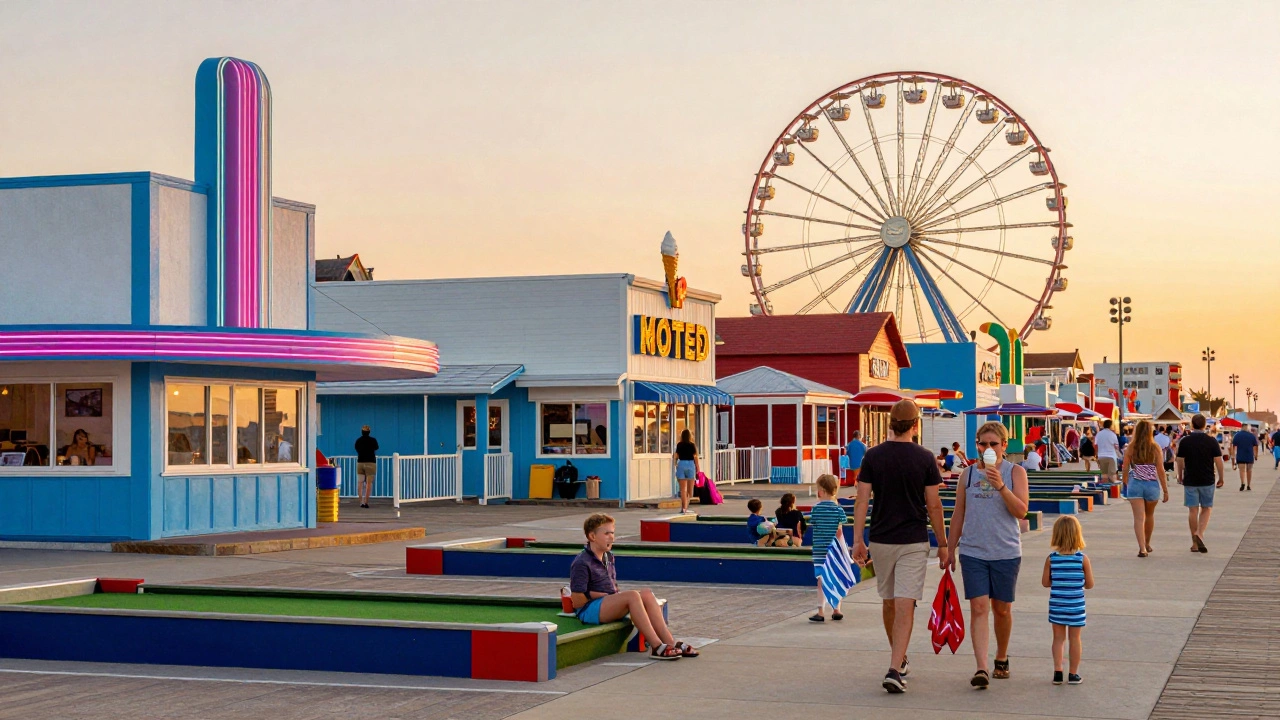
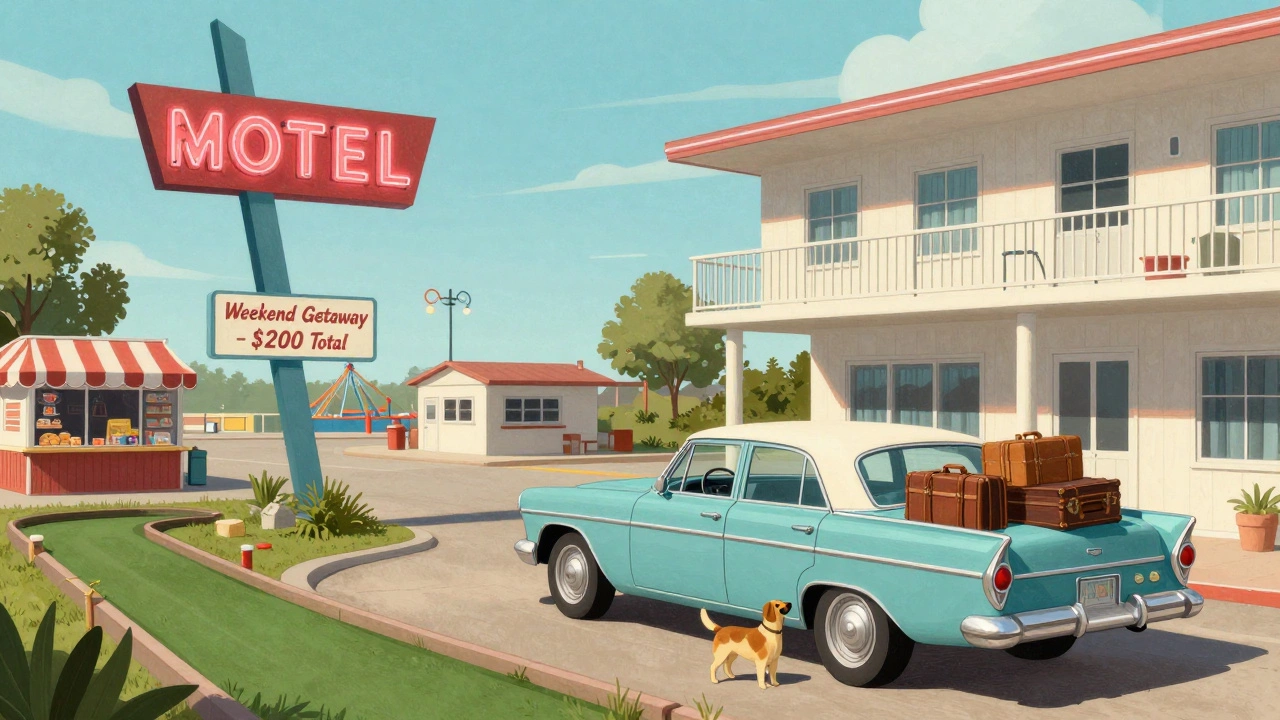
Unlike Cape Cod or the Hamptons, Myrtle Beach never aimed to be a luxury escape. In the 1950s, developers saw an opportunity: a long, flat stretch of coastline with cheap land and easy highway access. They didn’t build mansions. They built motels, mini-golf courses, and snack shacks. The goal? Get families in cars from the Northeast and Midwest to drive down for a week and spend $200 total. That model stuck. Even today, 70% of visitors come from within a 500-mile radius - mostly families who want a beach without the price tag.
Supply Outpaces Demand (Most of the Year)
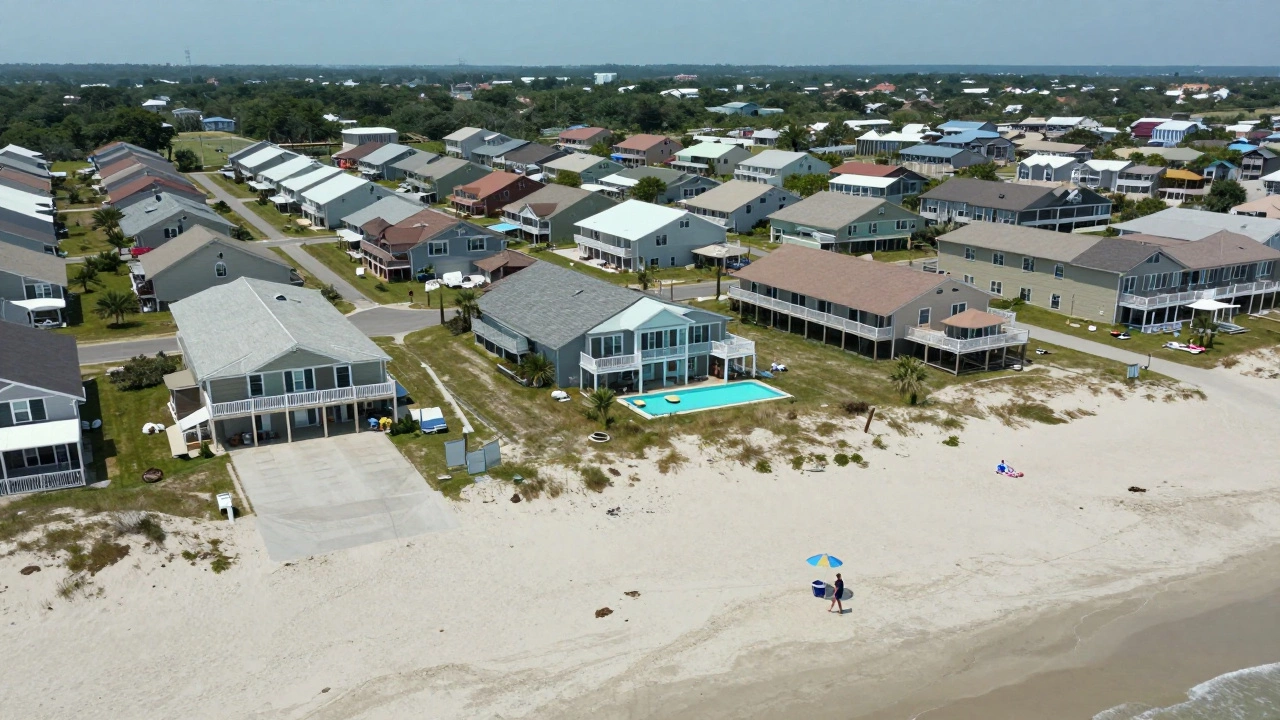
Myrtle Beach has over 12,000 hotel rooms. That’s more than Miami Beach, which has half the coastline. And most of those rooms sit empty from November to March. In the off-season, you can find oceanfront condos for $60 a night. Even in peak summer, the sheer number of options forces prices down. Hotels compete not just with each other, but with vacation rentals, campgrounds, and even RV parks. When you’ve got that many places to sleep, no one can charge premium rates without losing customers.
The Economy Runs on Volume, Not Luxury
Myrtle Beach doesn’t make money from rich tourists. It makes money from middle-class families who book early, eat at buffets, and buy $5 ice cream cones. The local economy is built on volume: 20 million visitors a year, most spending under $150 per day. That’s why you’ll see a 150-foot Ferris wheel next to a dollar store and a seafood shack that’s been open since 1978. Businesses don’t need high margins. They just need lots of people walking through the door. That keeps prices low across the board - from mini-golf to boat rentals.
Property Taxes Are Low, and So Are Wages
South Carolina has one of the lowest property tax rates in the U.S. That means owners of beachfront condos and motels pay far less than they would in California or New Jersey. Lower costs = lower prices for renters. But it’s not just taxes. Wages here are below the national average. A hotel housekeeper makes $12 an hour. A lifeguard makes $11. That’s not because workers are underpaid - it’s because the business model doesn’t support higher pay. And that trickles down. You’re not just paying for sand and sun. You’re paying for labor, and that labor is affordable.
It’s Not a Destination - It’s a Stopover
Most people don’t come to Myrtle Beach to see art galleries or fine dining. They come to play. The attractions are simple: go-karts, wave pools, arcades, and cheap seafood. There’s no Michelin-starred restaurant here. No high-end boutiques. No $200 spa treatments. That’s not a flaw - it’s the point. Myrtle Beach competes with family-friendly spots like Branson and the Outer Banks, not with Napa or Aspen. When your main selling point is “fun for kids,” you don’t need to spend on luxury. You need to spend on bouncy castles.
Seasonal Pricing Isn’t a Fluke - It’s the Rule
Summer rates are higher, sure. But even then, they’re lower than comparable beach towns. A three-bedroom oceanfront condo in Myrtle Beach might cost $350 a night in July. In Santa Monica, it’s $900. In Destin, it’s $700. Why? Because Myrtle Beach has built its entire identity around being the most affordable option. Real estate agents don’t list homes as “luxury.” They list them as “perfect for family reunions.” The language is different. The expectations are different. And that keeps prices grounded.
What You’re Not Paying For
Myrtle Beach doesn’t have the same infrastructure as a resort town. There’s no city-funded beach cleaning crew. No private security patrolling the boardwalk. No high-end transit system. The city maintains basic services, but it doesn’t invest in extras. That keeps taxes low - and prices low. You won’t find oceanfront yoga studios or organic smoothie bars. You’ll find people selling fried shrimp out of a trailer. And that’s exactly what visitors want.
Is It Too Good to Be True?
Some people assume cheap means low quality. But Myrtle Beach has been doing this for 70 years. The boardwalk’s been rebuilt twice. The beach is regularly tested for water quality. The city’s been ranked among the safest beach towns in the Southeast. The cheapness isn’t because it’s run-down - it’s because it’s efficient. It doesn’t waste money on things most visitors don’t care about.
Who Still Loves Myrtle Beach - And Why
It’s not just retirees and budget travelers. Millennials are coming back. Gen Z families are booking multi-generational trips. Why? Because it’s one of the last places where you can rent a beach house, buy a dozen shrimp baskets, and still have $200 left for gas and souvenirs. It’s the only place where a family of five can spend seven days on the sand and not break the bank. And in a world where even public beaches charge parking fees, that’s rare.
Bottom Line: It’s Not an Accident
Myrtle Beach is cheap because it was designed to be. Every motel, every arcade, every $2 hot dog stand is part of a system that’s been fine-tuned for over half a century. It doesn’t need to be fancy. It doesn’t need to be exclusive. It just needs to be there - open, welcoming, and affordable. And for millions of families every year, that’s exactly what makes it perfect.