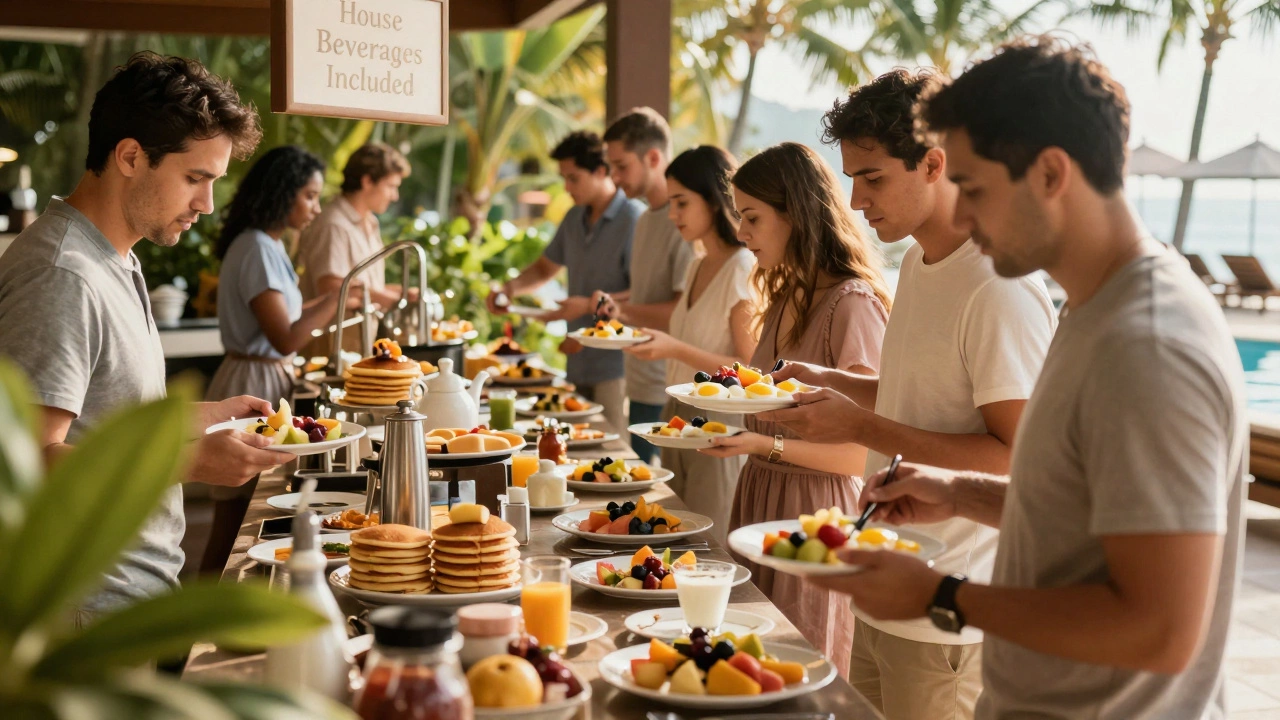
Resort Dining: What’s Really Included and How to Eat Well at All-Inclusive Resorts
When you book an resort dining, the meals and drinks offered as part of a package at a vacation resort, often including multiple restaurants and 24/7 access. Also known as all-inclusive dining, it’s supposed to make your trip easier—no worrying about bills, no hunting for restaurants. But not all resort dining is created equal. Some places serve fresh, local food that tastes like the island. Others hand you reheated chicken and rubbery pasta, wrapped in a "premium" label. The difference isn’t just price—it’s how the resort thinks about food.
Resort dining encompasses everything from breakfast buffets to midnight snacks, but what’s actually covered? Many guests assume "all-inclusive" means unlimited lobster and imported wine. It doesn’t. Most resorts limit premium restaurants to one or two visits per stay, charge extra for certain drinks, and serve basic fare at main eateries. You’ll find all-inclusive resorts, vacation properties that bundle lodging, meals, drinks, and sometimes activities into one upfront price that include casual poolside grills, but skip the fine dining unless you pay up. And while some places offer themed nights—Caribbean seafood feasts, steel drum dinners—others just refill the same trays day after day. The key? Ask upfront: What’s included? What’s extra? Where do locals eat nearby?
It’s not just about what’s on the plate—it’s about timing, location, and how you navigate the system. The best meals often happen early, before the crowds hit, or late, when staff are more relaxed and willing to go the extra mile. Skip the buffet line at noon. Try the à la carte restaurant at 6:30 p.m. instead. Some resorts even let you book a table at a premium spot for free if you ask nicely. And don’t forget: resort food quality, how fresh, varied, and satisfying the meals are at vacation resorts, often tied to staff training and local sourcing varies wildly. A resort in Jamaica might serve jerk chicken made with local scotch bonnets, while one in the Dominican Republic might use frozen imports. Read reviews from travelers who stayed more than three days—they’ll tell you the truth.
And then there’s the drink situation. Unlimited doesn’t mean unlimited premium. Most resorts cap your alcohol choices to house brands. Want a real rum cocktail? That’s extra. Want tequila instead of the house version? That’s extra too. Some places even limit how many drinks you can order at once. It’s not about being stingy—it’s about cost control. But that doesn’t mean you’re stuck with bad drinks. Ask for the local rum, the fresh coconut water, or the house-made limeade. You’ll often get better stuff than you expect.
Resort dining isn’t just a perk—it’s a skill. Know the rules, ask the right questions, and you’ll eat better than most guests. You’ll find real flavor, real local ingredients, and real value—not just a plastic plate of food with a smile. Below, you’ll find real stories from travelers who cracked the code on resort dining, avoided the traps, and still had the best meals of their trip. Whether you’re wondering if tipping is needed, why alcohol is limited, or how to spot a resort that actually cares about food, these posts have you covered.