Travel Budget Surge Estimator
Estimated Total Cost
ℹ️ Budget Tip:
Traveling during the shoulder season can save you a significant amount. Try shifting your dates by 2-4 weeks to avoid the steepest peaks.
Key Takeaways
- The 'Big Three' most expensive periods are generally Christmas/New Year, Mid-Summer (July/August), and Spring Break.
- Regional events, like Lunar New Year in Asia or Carnival in Brazil, create massive localized price spikes.
- Dynamic pricing algorithms mean costs can change hourly based on search volume.
- Avoiding 'shoulder seasons' is the most effective way to slash your travel budget.
The Heavy Hitters: When Spending Peaks Globally
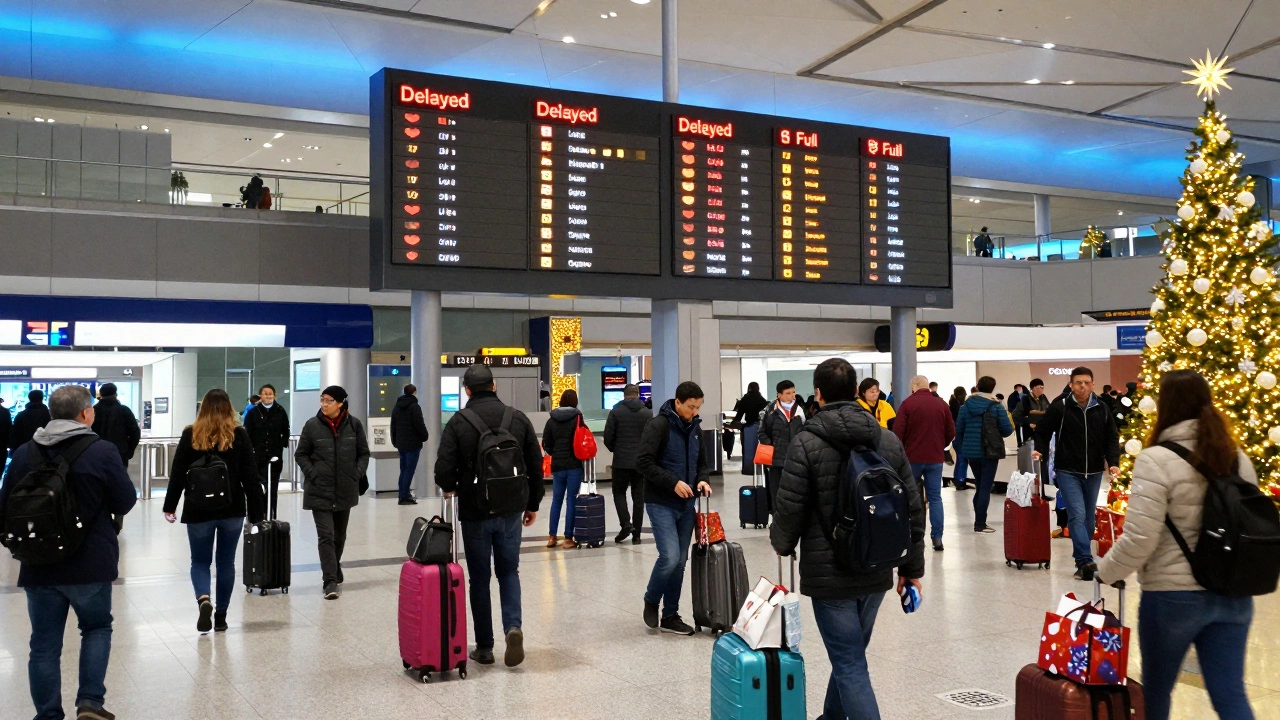
For the vast majority of travelers, the most expensive time to move is during the winter holidays. Christmas is a global peak travel period where airline tickets and hotel rates typically reach their highest annual points. Because millions of people are trying to get home or visit sunny beaches simultaneously, airlines use dynamic pricing to push costs to the limit. If you book a flight to New York or London for December 23rd, you're likely paying a 50% to 100% premium over the November rate.
Then we have the summer rush. In the Northern Hemisphere, July and August are the danger zones. Families with school-aged children are restricted to these months, creating a massive surge in demand for Family Resorts is commercial lodging designed for multi-generational groups, often featuring shared amenities and kid-friendly activities. During this time, a beach house in the Algarve or a villa in Tuscany can cost triple what it would in May.
Don't forget Spring Break. While it's a shorter window, the concentration of travelers heading to places like Cancun or Miami creates a localized spending frenzy. During these two weeks in March, hotel prices in these hubs don't just rise; they explode, often accompanied by 'resort fees' that sneak in at checkout.
Regional Spikes: The Hidden Cost of Cultural Events
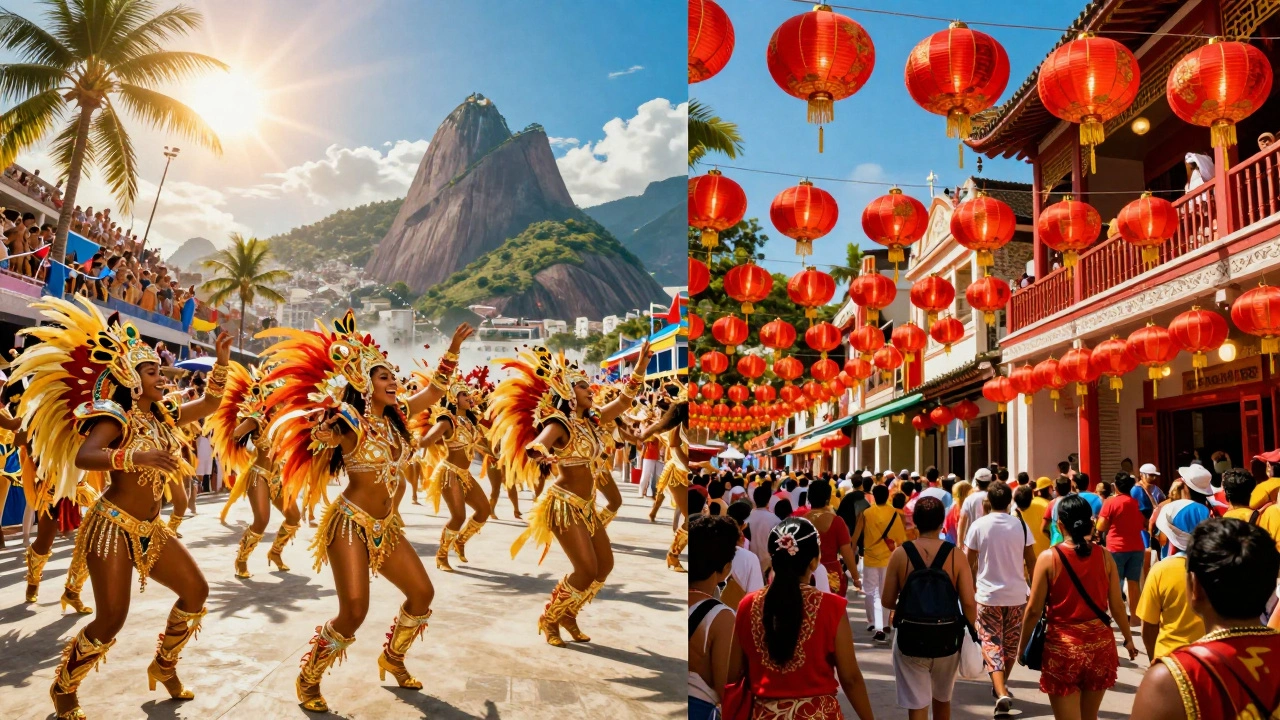
While the global peaks are predictable, some of the most expensive holidays are tied to specific cultures. For example, Lunar New Year is the most significant traditional festival in many East Asian cultures, marking the beginning of a new year on the lunar calendar. During this period, travel within China and Southeast Asia becomes incredibly expensive. Flights are booked months in advance, and those that remain available are priced for those desperate to get home. It is a period of intense migration that dwarfs even the US Thanksgiving rush.
Similarly, Carnival in Rio de Janeiro is a massive cultural festival characterized by samba parades and street parties, drawing millions of tourists to Brazil. For the few days of this event, the cost of a basic Airbnb in Rio can jump from $40 a night to $200. Local transport, dining, and tour packages are all priced at a premium because the demand is concentrated in one city for a very short window.
| Holiday Period | Typical Price Increase | Highest Cost Category | Primary Driver |
|---|---|---|---|
| Christmas/New Year | 50% - 150% | Airfare | Family Reunions |
| Summer (July/Aug) | 30% - 100% | Hotels/Airbnbs | School Holidays |
| Lunar New Year | 100% - 300% | Regional Flights | Cultural Tradition |
| Spring Break | 40% - 80% | Resort Lodging | Student Travel |
Why We Pay More: The Mechanics of Travel Pricing
To understand why some holidays are more expensive, you have to understand Dynamic Pricing is a pricing strategy where businesses adjust prices in real-time based on current market demand, competitor pricing, and other external factors. Airlines and hotels use sophisticated algorithms that monitor how many people are searching for a specific date. If 10,000 people search for flights to Paris for the Eiffel Tower's anniversary, the price goes up automatically.
This creates a cycle where travelers panic-buy because they see prices rising, which further increases demand and pushes prices even higher. This is why expensive holidays often feel like a trap. You aren't just paying for the flight; you're paying for the privilege of traveling when everyone else wants to. This is especially true for 'bucket list' destinations. If a city is trending on social media, the 'holiday' becomes the trend itself, driving up the cost of every coffee and hotel room in the area.
How to Beat the Peak: The Art of the Shoulder Season
If you want to stop spending a fortune, you need to target the Shoulder Season is the travel period between the peak (high) and off-peak (low) seasons, offering a balance of decent weather and lower prices. For most European destinations, this is May to early June and September to October. The weather is still pleasant, but the crowds-and the prices-have vanished.
Consider the difference in a trip to Italy. In August, you'll fight crowds in Rome and pay $300 for a mediocre hotel. In October, that same hotel might be $120, and the queues for the Colosseum are half as long. You get the same experience, but you keep more of your money. The trick is to be flexible with your dates. Instead of choosing a fixed week, look for the 'dip' in the pricing graph on flight aggregators.

The Danger of 'Cheap' Holiday Packages
Many people try to avoid high holiday costs by booking all-inclusive packages. While these look cheap on the surface, they often hide the real costs. All-inclusive deals typically bundle in Resort Taxes is local government levies applied to hotel stays to fund tourism infrastructure and city services. You might save on food, but you'll find that the activities offered within the resort are overpriced because you're a 'captive audience'.
A better approach is the 'mix and match' method. Book your flight on a budget carrier, find a local guesthouse, and eat where the residents eat. This avoids the 'tourist tax' that is automatically applied to everything during the most expensive holiday windows. For instance, instead of a hotel in the center of Barcelona during the festivities, stay two neighborhoods over and take the metro. You'll save hundreds and see a more authentic side of the city.
Which is the single most expensive month to travel?
Globally, December is typically the most expensive month due to the overlap of Christmas and New Year's Eve. However, this varies by region. In Asia, January or February can be more expensive due to the Lunar New Year. In the US and Europe, August is a close second because of the peak summer vacation window.
Does booking early always save money?
Not necessarily. While booking early is great for the absolute peak periods (like Christmas), for other trips, 'last-minute' deals can be cheaper if hotels have unsold rooms. The general rule is to book 6-10 months ahead for major holidays and 1-3 months ahead for off-peak travel.
What are the cheapest days of the week to fly?
Tuesdays and Wednesdays are generally the cheapest days to fly. Most business travelers fly on Mondays and Fridays, and vacationers fly on weekends. By shifting your departure by 24-48 hours, you can often save 20% or more on the base fare.
How do I find 'shoulder season' dates for my destination?
Look at a weather chart for your destination and identify the months just before and after the hottest/coldest peak. For example, if the peak is July, look at May or September. Then, use a flight search tool with a 'flexible dates' or 'calendar view' to see exactly when the prices drop.
Are all-inclusive holidays actually cheaper?
They provide budget predictability, which is a form of value. However, they are rarely the cheapest option overall. You often pay a premium for the convenience of having everything in one place, and the quality of food and drink may be lower than what you'd find at local establishments.
Next Steps for Your Budget
If you're planning a trip and realized you're hitting a peak spending window, don't panic. First, try shifting your dates by just three to five days; sometimes the price difference between December 20th and December 26th is staggering. If you can't change the date, look for alternative airports. Flying into a smaller hub and taking a train to your final destination can often save you hundreds of dollars.
For those who absolutely must travel during the most expensive holidays, focus on the 'hidden' costs. Use local grocery stores instead of resort dining and use public transit rather than ride-sharing apps. These small changes add up, ensuring that while the flight was expensive, the rest of your trip doesn't break the bank.