

Solo Travel Readiness Checker
Relationship ToolUse this tool to evaluate if your current dynamic is a good fit for a separate "City Break" or solo journey.
1. The Interest Gap
Are there activities you love that your partner dislikes?
2. Relationship Health
Your Readiness Analysis
Select your interests and answer the questions to see your result...
Key Takeaways for Spouses
- Solo travel can reduce "decision fatigue" and relationship friction.
- It allows partners to pursue niche interests without guilt.
- Clear communication and agreed-upon boundaries prevent jealousy.
- Short city breaks are the most popular format for independent trips.
The Numbers: How Common Is This?
It's hard to pin down one exact percentage because it depends on who you ask, but recent travel trends show a massive shift. Data from travel industry surveys suggests that roughly 15% to 25% of married couples in developed markets now engage in some form of separate travel annually. This isn't just about "guys' trips' or 'girls' trips.' We're seeing a rise in truly solo journeys where one partner stays home while the other explores a new city. Why the jump? It often comes down to the "interest gap." Maybe one spouse is obsessed with brutalist architecture and the other hates museums. When you force these interests into one itinerary, you end up with a vacation where someone is always bored. By splitting the trip, both people get exactly what they want, and they return home with fresh stories to tell each other, which actually sparks more conversation than a trip where they spent the whole time bickering over a map.Why Couples Choose Separate Paths
Relationships are about compromise, but vacations are meant for rejuvenation. Sometimes, the compromise is the very thing that prevents the relaxation. Consider the "planner" and the "go-with-the-flow" personality types. When these two travel together, the planner often feels like a tour guide and the wanderer feels smothered. Taking a separate trip allows a person to reconnect with their own identity. In a long-term marriage, it's easy to become "we." A solo trip to a city like Berlin or New York forces you to make decisions alone, navigate a foreign subway system, and manage your own time. This autonomy often leads to a boost in self-confidence that carries back into the marriage. Moreover, the physical distance can create a healthy emotional longing. There is a psychological phenomenon where absence makes the heart grow fonder, and a week apart can act as a "reset button" for couples who have been spending 24/7 together, especially those working from home in the same house.
Choosing the Right Format: The City Break
Not every separate vacation needs to be a month-long odyssey. The City Break is the gold standard for this trend. A city break is typically a short, intensive trip to a metropolitan area, lasting anywhere from two to four days. Because they are short, they feel less like "abandoning" the partner and more like a quick personal retreat.| Feature | Joint Vacation | Separate Vacation |
|---|---|---|
| Decision Making | Collaborative (often slow) | Instant / Autonomous |
| Activity Pace | Compromised / Middle Ground | Personalized / High Intensity |
| Emotional Goal | Bonding and Shared Memory | Self-Discovery and Autonomy |
| Budgeting | Shared expenses | Individual control |
How to Handle the Logistics Without Fighting
If you're thinking about suggesting a separate trip to your partner, don't just announce it while you're packing. That's a recipe for disaster. You need to frame it not as "I need to get away from you," but as "I want to do this specific thing that I know you don't enjoy." First, establish the "Check-in Protocol." Will you FaceTime every night? Or is the point of the trip to unplug? Setting these expectations early prevents the partner at home from feeling forgotten and the traveler from feeling tethered. Second, discuss the budget. Is the separate trip coming out of a joint vacation fund, or is it a personal expense? Using a Personal Budget for solo trips avoids the resentment that can happen if one person spends $500 on a fancy dinner while the other is at home eating leftovers. Third, be transparent about the itinerary. You don't need to share a Google Doc of every minute, but knowing generally where you'll be and who you're with builds trust. Trust is the currency of separate travel; without it, the trip becomes a source of stress rather than a source of joy.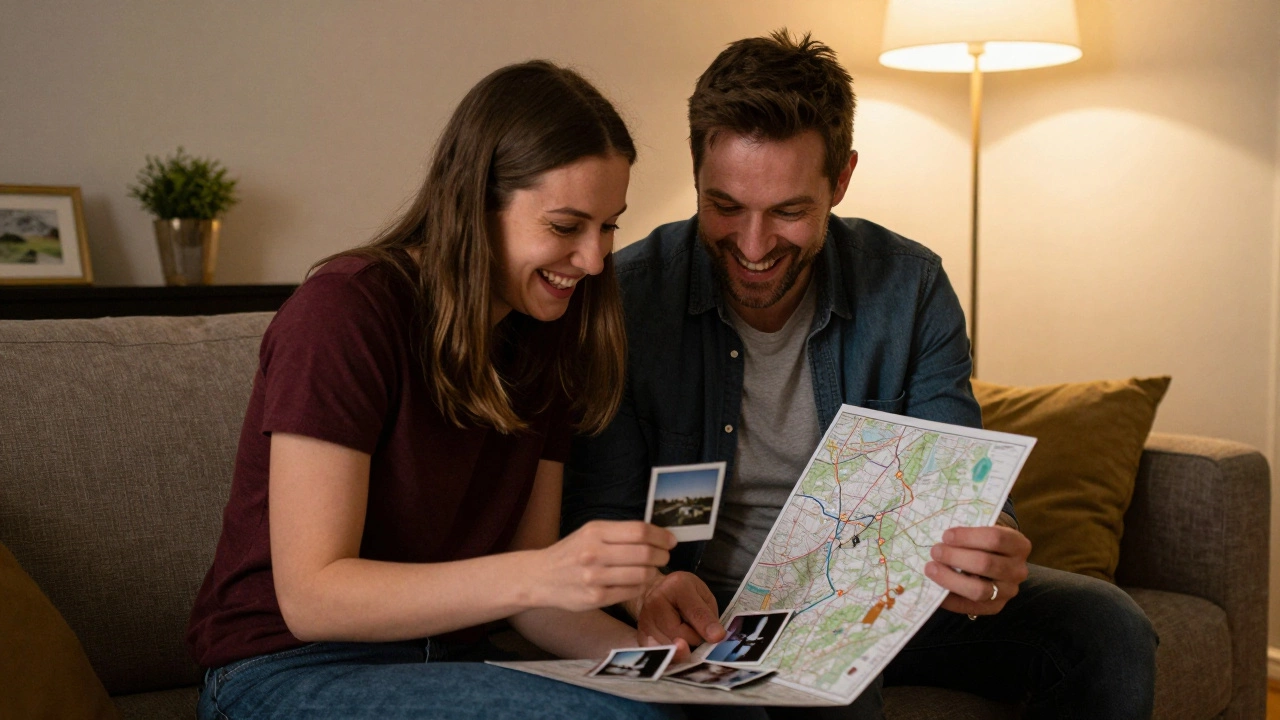
Potential Red Flags: When is it a Problem?
While separate travel can be healthy, it's important to distinguish between "healthy autonomy" and "avoidance." If a partner is constantly seeking separate vacations to avoid dealing with conflict at home, the travel isn't the solution-it's a symptom. Warning signs include:- Using solo trips as a way to hide behaviors or secrets.
- A total lack of desire to ever plan a joint trip.
- Feeling a sense of profound relief when the partner isn't coming along, not because of the activities, but because of the person.

The Aftermath: Bringing the Experience Home
The real magic of a separate vacation happens when you return. Instead of the usual "it was great, you would have loved it," you have specific, detailed stories about your personal triumphs and failures. You can tell your spouse about that weird cafe you found in Prague or the time you got lost in a neighborhood you'd never visit if you were traveling as a pair. Sharing these experiences creates a new form of intimacy. You're sharing a version of yourself that only exists when you're alone. This "re-introduction" of yourself to your partner can actually revitalize the romantic spark by reminding them that you are an individual with a complex inner life, not just a co-manager of a household.Is it normal for married couples to travel separately?
Yes, it is becoming increasingly common. Many couples use separate travel to pursue specific hobbies, reduce stress from compromise, or maintain a sense of independence within the relationship. As long as there is trust and communication, it is often a sign of a secure attachment.
How do I convince my spouse to let me travel alone?
Focus on the "why." Explain that you want to pursue a specific interest that they might find boring, or that you feel the need for a mental reset. Emphasize that this will make you a more present and happy partner when you return. Suggest a "trade" where they also get a solo trip of their choice.
What is the best destination for a first-time solo trip in a marriage?
A short city break in a safe, well-connected city is usually best. Choose a place with a strong public transport system and plenty of activities that align with your specific interests. This keeps the trip manageable and reduces the anxiety for both the traveler and the spouse staying home.
Does taking separate vacations lead to divorce?
There is no evidence that separate travel causes divorce. In fact, for many, it prevents the burnout and resentment that come from forced togetherness. However, if the desire for separate travel stems from a desire to avoid the partner entirely, it may indicate existing issues that need to be addressed through communication or therapy.
How often should couples take separate trips?
There is no set rule. Some couples do it once a year, others once every few years. The key is that it should feel like a healthy addition to your life, not a recurring escape. The frequency should be agreed upon by both partners so that neither feels neglected.