UK Landmark Trip Budget Estimator
Trip Estimate
Quick Highlights
- The Tower of London remains the top paid attraction due to the Crown Jewels and its royal history.
- The British Museum and National Gallery are more visited overall because they are free.
- Ticket prices for top sites now frequently exceed £30 per adult.
- Booking time slots is now mandatory for almost all major London landmarks.
The Heavyweight Champion: The Tower of London
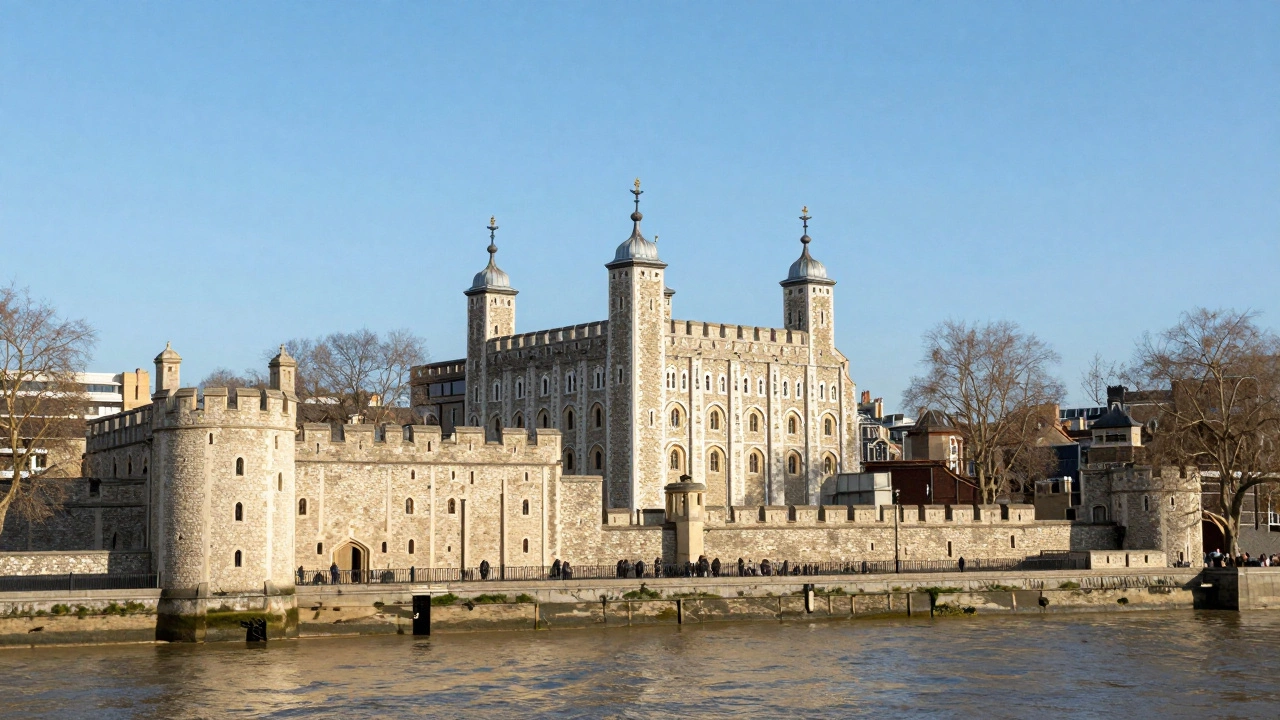
When we talk about the most popular Tower of London, we aren't just talking about a castle. Tower of London is a historic castle located on the north bank of the River Thames in central London. It serves as a royal palace, a fortress, and a former prison. Unlike many museums in the city, this is a paid site, and people gladly pay for the privilege of seeing the Crown Jewels.
Why is it so popular? It's the variety. You can walk through the White Tower, listen to the Yeoman Warders (the Beefeaters) tell gory stories about executions, and stare at the Koh-i-Noor diamond. It isn't just a walk through a building; it's a curated experience. Most visitors spend about three to four hours here, and the high volume of international tourists ensures it stays at the top of the paid list year after year.
The Great Debate: Paid vs. Free Attractions
If you look at raw numbers, the British Museum often has higher footfall. But there is a catch: it's free. In the world of tourism statistics, there is a massive divide between "total visitors" and "paid admissions." The British Museum attracts millions of people who just want to see the Rosetta Stone for twenty minutes without spending a penny.
When you filter for sites that actually charge an entry fee, the competition narrows. The Tower of London usually beats out the Windsor Castle and the Westminster Abbey. While the Abbey is spiritually and architecturally stunning, the Tower has that "dark tourism" appeal-the dungeons and the ravens-that draws a wider crowd of all ages.
| Attraction | Primary Draw | Vibe | Price Point |
|---|---|---|---|
| Tower of London | Crown Jewels | Dark & Royal | High |
| Windsor Castle | State Apartments | Opulent & Grand | High |
| Westminster Abbey | Coronation Chair | Solemn & Historic | Medium-High |
| Edinburgh Castle | Scottish History | Rugged & Epic | Medium |
What Makes a Site "Popular" in 2026?
It's not just about the history anymore. The sites that stay popular are the ones that embrace Experiential Tourism. The Tower of London doesn't just let you look at a wall; they have the Beefeaters who act as performers, guides, and historians all in one. This human element is what keeps people coming back.
Then there's the "Instagram effect." Sites with visually stunning backdrops, like the white stone of the Tower against a blue London sky, get free marketing from every visitor with a smartphone. If a place doesn't look good on a feed, it struggles to attract the younger demographic, regardless of how important its history is.
The Competition Outside of London
While London dominates the paid attraction lists, Edinburgh Castle is the strongest challenger from the north. It sits on a dormant volcano, which is a pretty strong selling point. For many staycationers, it's the top choice in Scotland. However, because London is the primary entry point for global travel, the Tower of London simply has a larger pool of potential customers.
Other contenders include Stonehenge and the Giant's Causeway. These are "bucket list" items, but they are often seasonal. You don't see as many people trekking to a windy field in Wiltshire in January as you do visiting a sheltered fortress in the middle of the city.
The Cost of Admission: Is it Worth It?
Let's be real: paying £35 to enter a castle can feel like a sting. But when you look at the value, you're paying for the maintenance of a World Heritage site. The UNESCO World Heritage Site status means these places have to meet strict conservation standards, which isn't cheap.
For those on a budget, there are ways to hack the system. Many of these top sites offer family bundles or combined tickets (like the London Pass). If you're planning a staycation, the trick is to avoid the "peak' hours. Even the most popular paid attractions are ghost towns if you can get there right when the gates open at 9:00 AM.
Common Pitfalls for Visitors
The biggest mistake people make is showing up without a ticket. Gone are the days of just standing in a line. Almost every top-tier UK attraction now uses a timed entry system. If you turn up at 2:00 PM without a reservation, you might find yourself staring at a "Sold Out" sign.
Another trap is the "Tourist Menu" around these sites. The food immediately surrounding the Tower of London or Westminster Abbey is often overpriced and mediocre. A pro tip: walk three or four blocks away from the main gate, and you'll find local pubs and cafes where the prices drop and the quality goes up.
Is the Tower of London actually the most visited paid site?
Yes, historically and in recent data, it consistently ranks as the top paid attraction in the UK. While free museums like the British Museum have more total visitors, the Tower leads in terms of ticket-paying guests due to its unique combination of the Crown Jewels and royal history.
How much does it cost to visit the top UK attractions?
Prices vary, but for major sites like the Tower of London or Windsor Castle, adult tickets typically range from £25 to £40. Prices are often higher if you buy them at the gate rather than online in advance.
When is the best time to visit to avoid crowds?
Mid-week (Tuesday or Wednesday) during the shoulder seasons (late March to May, or September to October) is ideal. Always aim for the first time slot of the morning to avoid the mid-day rush.
Do I need to book in advance for these sites?
Absolutely. Since the pandemic, most major UK attractions have shifted to timed entry. Booking online is the only way to guarantee entry on a busy day.
Are there any cheaper alternatives to the big paid sites?
Yes, London is famous for its world-class free museums. The Victoria and Albert Museum, the Natural History Museum, and the Tate Modern are all free and offer a similar level of prestige and historical depth without the entry fee.
What to Do Next
If you're planning a trip, start by deciding if you want the "Greatest Hits" experience or something more niche. If you want the most popular spots, grab a city pass and book your Tower of London slots at least two weeks in advance. If you're feeling overwhelmed by the crowds, look into the "Hidden London" tours that take you to underground bunkers and forgotten tunnels-they are often just as fascinating as the big castles but with half the queue.