City Break Destination Finder
Answer a few questions to discover which city fits your short getaway needs based on the article's recommendations.
City Name
City description goes here.
3-Day Trip
Tip goes here.
Quick Wins: Key Takeaways
- Walkability: Choose cities with high pedestrian scores to maximize your limited time.
- Flight Time: Keep travel under 4 hours to avoid spending your entire Friday and Sunday in airports.
- Focus: Pick one neighborhood to "base' yourself in rather than hopping between distant hotels.
- Budget: Use a mix of free walking tours and one "splurge" meal to keep costs manageable.
The Timeless Classics: When You Can't Go Wrong
If it's your first time doing a short break, stick to the heavy hitters. These cities are designed for tourists, meaning the transport is seamless and the landmarks are concentrated.
Take Paris is the capital of France and a global center for art, fashion, and gastronomy . Most people make the mistake of trying to see every museum. Instead, spend a Saturday morning in Le Marais. It's a neighborhood where the history is baked into the cobblestones and the falafel shops are world-famous. If you want to see the Eiffel Tower, do it from the Trocadéro at sunrise to avoid the crowds that usually arrive by 10 AM.
Then there's Barcelona, which offers a bit of everything: beach, mountains, and architecture. The city is essentially a playground for those who love a late-night culture. Since the Spanish eat dinner at 9 PM or 10 PM, you can spend your afternoon wandering through the Gothic Quarter and still have energy for tapas in El Born. The best city breaks usually balance a bit of "must-see" tourism with total randomness, like stumbling upon a local market in Barceloneta.
Underrated Gems for the Bored Traveler
If you've already ticked off the capitals, look for cities that are punching above their weight. These spots are often cheaper and less crowded, which means you spend less time in queues and more time actually seeing things.
Lisbon is the hilly, coastal capital of Portugal known for its yellow trams and Fado music . It's perfect for a short break because the city is visually stunning from every angle. Take the Tram 28, but do it early. The steep climbs through Alfama are a workout, but the reward is a view of the Tagus River that makes the sweat worth it. It's also one of the most affordable western European capitals, meaning your budget stretches much further for seafood and wine.
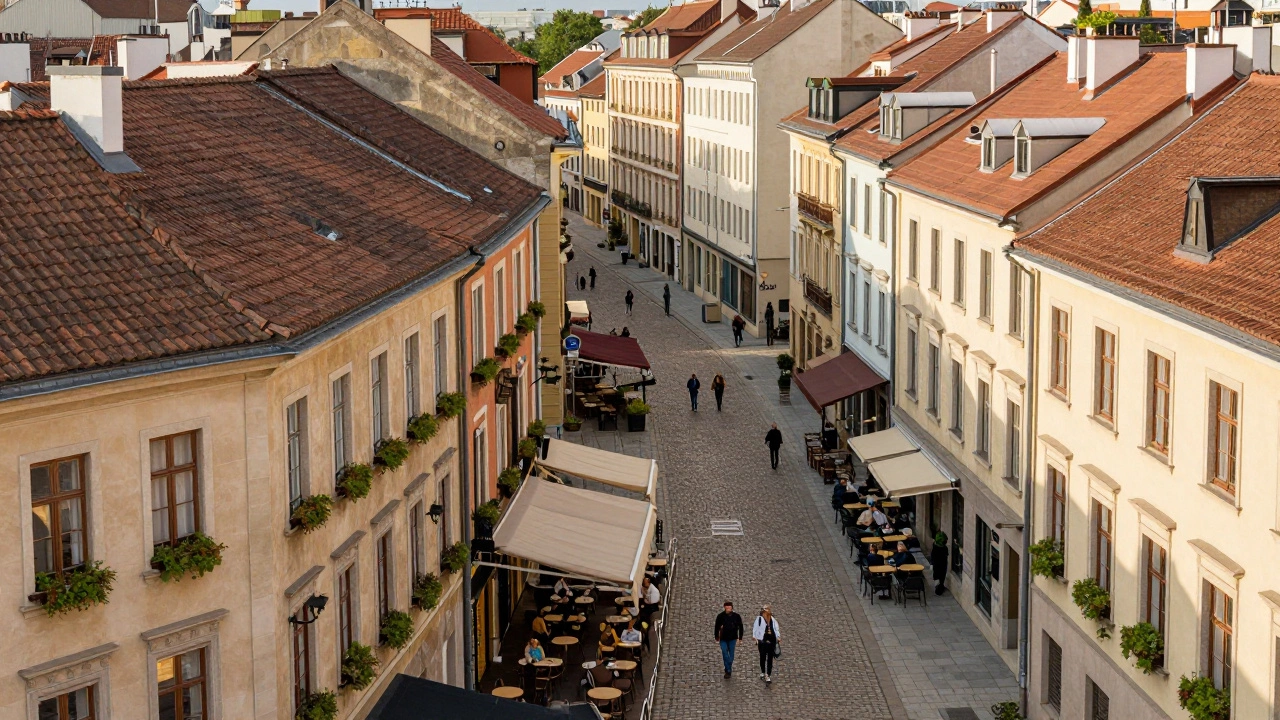
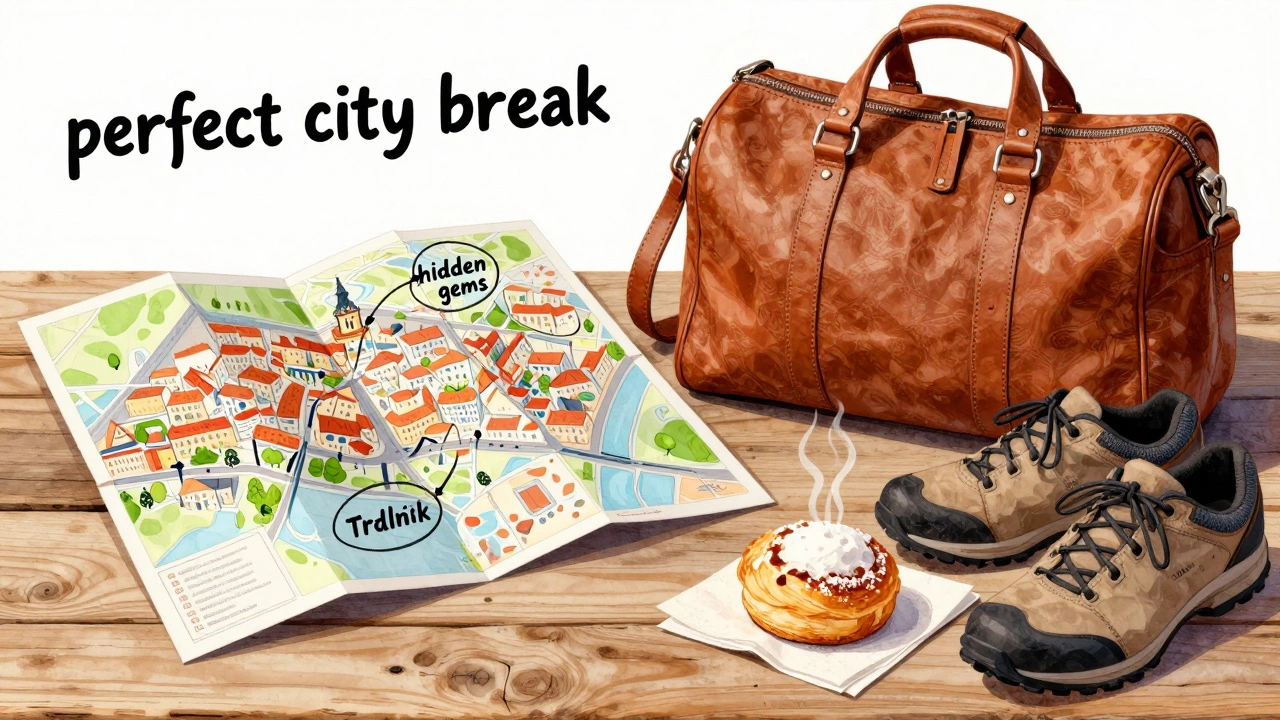
Alternatively, consider Prague. The "City of a Hundred Spires" is incredibly compact. You can walk from the Old Town Square to the Prague Castle in about 30 minutes if you take the scenic route through the Mala Strana. Because the center is largely pedestrianized, you don't have to worry about navigation apps as much; you just follow the river and the smell of Trdelník (cinnamon pastry).

Comparing the Top Short Break Options
Depending on what you're after-food, art, or just a vibe-the "best" place changes. Here is a breakdown of how the top contenders stack up for a 3-day trip.
| City | Primary Draw | Vibe | Cost Level | Walkability |
|---|---|---|---|---|
| Paris | Art & Culture | Romantic/Hectic | High | Excellent |
| Barcelona | Beach & Architecture | Energetic | Medium | Good |
| Lisbon | Views & History | Laid-back | Low | Fair (Hilly) |
| Prague | Old World Charm | Fairytale | Low | Excellent |
How to Pack Your Schedule Without Burning Out
The biggest mistake people make on a short break is the "checklist mentality." They try to visit five museums in two days and end up exhausted. Instead, use the "Anchor Method." Pick one main activity for the morning (the anchor) and leave the afternoon open for wandering.
- Morning: Visit a major landmark, like the Louvre or Sagrada Família, right when they open.
- Midday: Find a local spot for lunch away from the main tourist drag. In Rome, for example, avoid the restaurants right next to the Pantheon; walk three blocks away and you'll find prices drop by 30%.
- Afternoon: Explore a specific neighborhood on foot. This is where you find the unique boutiques and cafes that give a city its personality.
- Evening: Focus on the local food scene. Use apps like TripAdvisor or local blogs to find a place that specializes in a regional dish, rather than a generic "international" menu.
If you're traveling with a group, avoid the "democracy trap" where everyone has to agree on everything. It kills time. Instead, let one person be the "lead explorer" for the day. It keeps the momentum going and prevents the group from spending an hour deciding where to eat.
Avoiding Common Short Break Pitfalls
Travel is great until you're standing in a three-hour line for a museum you aren't even that interested in. To avoid this, lean into digitalization. Most major cities now offer "city passes" that combine transport and entry fees. While they aren't always a bargain, the skip-the-line privilege is worth its weight in gold when you only have 48 hours.
Another trap is the "airport hotel" mistake. Don't stay near the airport just to save a few bucks on the cab. In a city break, the hotel is your base of operations. If you stay in the city center, you can pop back for a quick nap or a change of clothes without losing two hours of your day in traffic. Look for Boutique Hotels or highly-rated rentals in the heart of the action. Your time is your most valuable currency on a short trip.
Lastly, watch out for the "tourist menu." If a restaurant has pictures of the food on a board outside and a waiter trying to pull you in from the street, keep walking. The best meals are usually in the places that don't feel the need to shout for attention. Look for the spots where the locals are queuing; that's your safest bet for quality and price.
What is the best time of year for a European city break?
The "shoulder seasons"-May to June and September to October-are ideal. You avoid the oppressive heat and crushing crowds of July and August, but you still get reliable weather for walking. Prices for flights and hotels also tend to dip slightly during these windows compared to the peak summer rush.
How much should I budget for a 3-day trip?
It varies wildly, but for a mid-range experience in a city like Prague or Lisbon, budget around $100-$150 per day excluding flights. For Paris or London, you'll likely need $200-$300 per day to cover a decent hotel, quality meals, and a few paid attractions. To save money, prioritize free museums and use public transport over ride-shares.
Is it better to use a rental car or public transport for a short break?
Almost always use public transport. In cities like Barcelona or Paris, parking is a nightmare and traffic can be grueling. Metro systems and buses are designed to get you to the sights faster. Plus, walking is the only way to truly discover the hidden gems that aren't on any map.
What are the best cities for a first-time solo traveler?
Cities like Copenhagen or Vienna are incredibly safe and easy to navigate. They have a high English-proficiency rate, making it easy to ask for help. They are also very walkable, which reduces the stress of getting lost in a strange place.
How do I find the best "hidden gems" in a city?
Avoid the top 10 lists on the biggest travel sites. Instead, look for local food blogs or niche Instagram accounts based in that specific city. Another pro tip: ask your hotel concierge or a local bartender for their favorite "non-touristy" spot for a drink. They usually have a much better handle on what's actually cool versus what's just a tourist trap.
Next Steps for Your Planning
Now that you have a few destinations in mind, start by checking flight aggregators for a "flexible date" search to find the cheapest weekend. Once you have your city, map out your "anchor" activity for each day and book your tickets online to avoid lines. If you're feeling adventurous, try a city you've never heard of-sometimes the best breaks are the ones where you have zero expectations and just let the city lead the way.